
Culture
Cancer-causing chemicals found in popular beauty products marketed to women of color
The study, published May 7 in Environmental Science & Toxicology Letters, analyzed the personal care products used by Black and Latina women, and found that more than half used products that contained formaldehyde-releasing chemical, a known carcinogen.

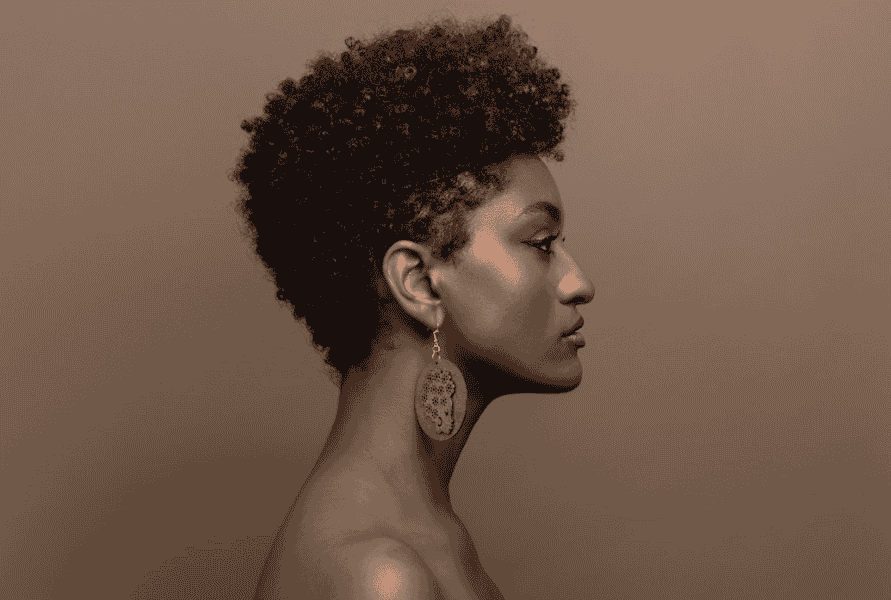

Cancer-causing chemicals have been found in a variety of women’s hair and beauty products, particularly in those marketed to women of color, a study found.
The study, published May 7 in Environmental Science & Toxicology Letters, analyzed the personal care products used by Black and Latina women, and found that more than half used products that contained formaldehyde-releasing chemical, a known carcinogen.
Cancer-causing chemicals in beauty products targeted for women of color
70 study participants photographed the ingredient lists of all the products they used at home over the course of a week.
Formaldehyde is a preservative that’s added to the products to increase its shelf life, but as the study says, “is highly toxic and classified as a known human carcinogen,” and was banned by the European Union for use in beauty products in 2009.
The preservatives were found in multiple beauty products marketed to women of color, Dr. Robin Dodson, an exposure scientist at Silent Spring Institute, which conducted the study, said in a press release. The chemicals were found in approximately 47% of skincare products and 58% of haircare products. “We found that this isn’t just about hair straighteners,” said Dodson, whose study found it in the chemical straighteners as well as shampoo, lotions, body soap, and even eyelash glue.
“These chemicals are in products we use all the time, all over our bodies,” she said. “Repeated exposures like these can add up and cause serious harm.”
Though the study was limited to Black and Latina women in Los Angeles, it does shine a light on how systemic racism can be driving health issues. As the research pointed out, “previous studies have characterized the disproportionate burden of [beauty product]-related exposures among Black women and Latinas. Hair straighteners are used more often by Black women compared to White women: hair discrimination and racialized beauty standards often drive use of hair-straightening products to better ensure social and economic opportunity.”
How to prevent
Dodson says one way to reduce exposures would be to require that companies add warning labels on products that contain formaldehyde-releasing chemicals, like DMDM hydantoin, which was the most commonly found one. She agrees that it can be hard for the average consumer—and even chemists—to identify a formaldehyde-releasing preservative on a label. “They have long, weird, funny names, and they typically don’t have the word formaldehyde in them,” she says.
While warning labels might be a good first step, Dodson says banning the use of formaldehyde releasers altogether would be the best-case scenario. “Ideally, companies shouldn’t be putting these chemicals in products in the first place.”
Discover more from Unheard Voices Magazine®
Subscribe to get the latest posts sent to your email.











NAACP launches National Black Man Voter Day with week of action aimed at mobilizing 100,000 Black men

Former NFL defensive end Allen Bailey dies at 37

University of Maryland Tennis Club issues public apology after racist imagery sparks backlash

Mississippi Attorney General says officer was justified in shooting that killed 1‑year‑old Kohen Wiley

Police veteran begins rare cancer fight after pleomorphic sarcoma diagnosis

VP of Detroit funeral home found dead days after family said mother was mistakenly cremated

Black Aerospace Professionals Development Director Haifa Baptiste dies in Costa Rica flash flood

Mississippi police make second arrest in death of Black woman found hanging from tree

Justice for Nolan Wells Reward Fund raises $300k

California couple welcomes rare mixed triplets weighing 19 pounds total, nearly breaking world record

Woody Shaw’s Avant‑Garde ‘Song of Songs’ returns to vinyl after 50 years through Jazz Dispensary’s Top Shelf Series

Kansas City’s Copper Boyz Ranch provides youth violence‑prevention through horsemanship

Nolan Wells’ family demands ‘thorough’ investigation: “What we’ve been told does not make sense”

Peabo Bryson, Grammy‑winning voice behind two Disney classics, dies at 75

OWN greenlights first-ever ‘Belle Collective’ spinoff Belle Collective: Birmingham





-

 In Memoriam2 weeks ago
Boston rapper Rahim “V Knuckles” Muhammad dies at 46 after fight with brain cancer
-

 In Memoriam2 weeks ago
Major Jewel McDonald, oldest known living man in the U.S., dies at 110
-

 In Memoriam2 weeks ago
Curtis Flowers, Mississippi man wrongfully convicted after being tried for the same killings 6 times, dies at 56
-

 New Jersey2 weeks ago
New Jersey mom demands answers after 4‑year‑old son died at daycare
-

 Real Voices2 weeks ago
Woman dies after stopping to help trapped driver of flipped car on interstate
-

 Health & Wellness2 weeks ago
Teen brother to donate lifesaving bone marrow to younger sister battling sickle cell
-

 Culture2 weeks ago
Black Public Media to premiere “The Morgue Twins,” spotlighting twin NYC mortuary technicians
-
 Police2 weeks ago
Dr. Anita Allen makes history as the first Black woman police chief in a Metro Atlanta city