
Tech
Howard University and Google Research to advance AI understanding of African American English
Howard University and Google researchers release dataset of over 600 hours of African American English dialects to improve AI speech recognition.

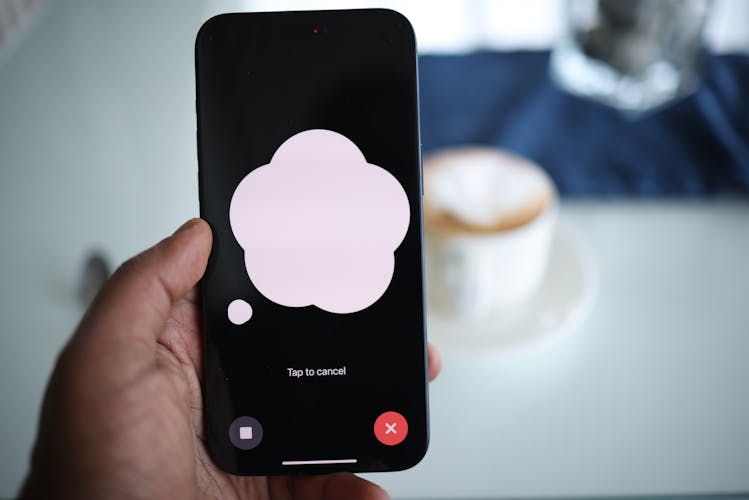

Howard University and Google Research have partnered to release a groundbreaking dataset aimed at improving how artificial intelligence (AI) systems understand African American English (AAE). a historically underrepresented linguistic form in voice-recognition technology.
Collaboration between Howard University and Google Research
As part of their ongoing initiative, Project Elevate Black Voices, the research team collected over 600 hours of audio from speakers representing AAE dialects across 32 U.S. states.
The project was designed to address the challenges that Black users face when engaging with automatic speech recognition (ASR) systems. The tools that frequently misinterpret or fail to understand culturally specific speech patterns.
Bridging the Speech Recognition Divide
AAE, also known as Black English, Black Talk, or Ebonics, is a rich, culturally grounded linguistic tradition rooted in history, identity, and resilience. Yet many ASR tools struggle to accurately process this dialect due to training on biased or incomplete data.
As a result, Black users often feel pressure to code-switch or alter their natural speech in order to be understood by digital assistants, transcription tools, and voice-enabled applications. This phenomenon diminishes authenticity and underscores systemic inequities in technology development.
Howard and Google Research: Community-Centered Data Collection
To authentically capture AAE speech, the project team hosted curated community events in multiple cities across the country.
These gatherings featured Black panelists—individuals who live and work in the represented communities—leading open discussions on the intersection of Black culture, technology, AI, and innovation.
Following these dialogues, attendees were invited to contribute their voices through a three-week audio data collection effort designed to reflect real-life language use and lived experiences.
Responsible Data Stewardship and Release
The resulting Howard African American English Dataset 1.0 will initially be released exclusively to researchers and institutions affiliated with historically Black colleges and universities (HBCUs).
This phased rollout ensures the dataset is used in ways that prioritize cultural respect, community empowerment, and ethical research practices.
Howard University will retain full ownership and licensing rights to the dataset, serving as a primary steward to ensure responsible usage and alignment with the interests of Black communities.
Google’s Role in Inclusive AI Development
Google, a collaborator on the project, will also use the dataset to enhance the inclusivity of its ASR systems. The tech company routinely trains its voice-recognition models on a wide spectrum of dialects, languages, and accents. This aims to create more equitable AI experiences for all users.
Future access to the dataset by non-HBCU institutions will be reviewed with a focus on researchers whose work aligns with values of inclusivity, equity, and community-driven impact.
Discover more from Unheard Voices Magazine®
Subscribe to get the latest posts sent to your email.









Beloved father killed in apparent road rage shooting on the George Washington Bridge, says prosecutors

Documentary And Counting explores Black women’s workforce exodus

Author facing multiple surgeries after breast cancer diagnosis

NAACP launches National Black Man Voter Day with week of action aimed at mobilizing 100,000 Black men

Former NFL defensive end Allen Bailey dies at 37

VP of Detroit funeral home found dead days after family said mother was mistakenly cremated

Black Aerospace Professionals Development Director Haifa Baptiste dies in Costa Rica flash flood

Mississippi police make second arrest in death of Black woman found hanging from tree

Justice for Nolan Wells Reward Fund raises $300k

California couple welcomes rare mixed triplets weighing 19 pounds total, nearly breaking world record

Woody Shaw’s Avant‑Garde ‘Song of Songs’ returns to vinyl after 50 years through Jazz Dispensary’s Top Shelf Series

Kansas City’s Copper Boyz Ranch provides youth violence‑prevention through horsemanship

Nolan Wells’ family demands ‘thorough’ investigation: “What we’ve been told does not make sense”

Peabo Bryson, Grammy‑winning voice behind two Disney classics, dies at 75

OWN greenlights first-ever ‘Belle Collective’ spinoff Belle Collective: Birmingham




-

 In Memoriam2 weeks ago
Boston rapper Rahim “V Knuckles” Muhammad dies at 46 after fight with brain cancer
-
 In Memoriam2 weeks ago
Major Jewel McDonald, oldest known living man in the U.S., dies at 110
-
 In Memoriam2 weeks ago
Curtis Flowers, Mississippi man wrongfully convicted after being tried for the same killings 6 times, dies at 56
-
 New Jersey2 weeks ago
New Jersey mom demands answers after 4‑year‑old son died at daycare
-

 Real Voices2 weeks ago
Woman dies after stopping to help trapped driver of flipped car on interstate
-

 Health & Wellness2 weeks ago
Teen brother to donate lifesaving bone marrow to younger sister battling sickle cell
-
 Culture2 weeks ago
Black Public Media to premiere “The Morgue Twins,” spotlighting twin NYC mortuary technicians
-
 Police2 weeks ago
Dr. Anita Allen makes history as the first Black woman police chief in a Metro Atlanta city