
In Memoriam
Dr. William G. Anderson, civil rights leader and pioneering osteopathic surgeon, dies at 98
Anderson founded and led the Albany Movement, a major grassroots campaign in Albany, Georgia, that drew national attention and the support of the NAACP and Dr. Martin Luther King Jr.

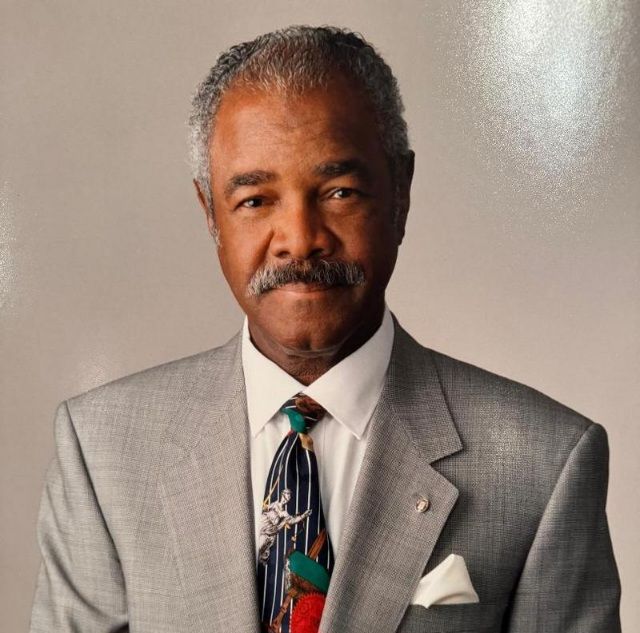

Dr. William G. Anderson, a pioneering osteopathic surgeon whose activism helped shape the modern Civil Rights Movement, died on Aug. 16 at his home in Bingham Farms, Mich. He was 98, according to the American Osteopathic Association.
Civil rights leader and surgeon Dr. William G. Anderson dies at 98
Anderson became nationally known as the founder and first president of the Albany Movement, a broad coalition in Albany, Ga., that sought to dismantle segregation in public facilities. The campaign drew the Rev. Martin Luther King Jr. and Ralph David Abernathy to southwest Georgia and became one of the era’s most significant tests of nonviolent protest strategy.
Early life shaped by service and segregation
Born Dec. 12, 1927, in Americus, Ga., Anderson entered college at 15 and enlisted in the U.S. Navy two years later, serving as a hospital corpsman during World War II. After the war, he earned a degree from Alabama State College and later graduated from Des Moines Still College of Osteopathy in 1956. He completed training in Michigan before returning to Georgia, where segregation blocked him from hospital privileges despite his credentials.
As one of only two Black doctors in Albany, he made house calls across the city. His daughter, Vale Anderson Henson, recalled police escorts, threats and violence. “They tried to bomb our house; they threw bricks through our front window,” she told the Detroit Press.
“Everybody in the city knew us, because my dad was one of only two Black doctors in Albany.”
Dr. William G. Anderson led a movement that drew national attention
In November 1961, local ministers, students, women’s clubs and civic groups formed the Albany Movement and elected Anderson president. He helped organize nightly mass meetings, marches and voter‑registration drives as arrests mounted. His leadership brought national attention to the city’s segregation policies and helped galvanize support from King and Abernathy.
During one pivotal moment in 1962, Anderson appeared on Meet the Press as King’s substitute while King sat in jail for participating in demonstrations. The appearance elevated the movement’s profile and underscored Anderson’s role as a national civil rights figure.
In 1968, Anderson was speaking by phone with Coretta Scott King when news broke that her husband had been assassinated in Memphis. “She said, ‘Wait a minute, Andy — something has happened to Martin,’” Anderson recalled in an interview with the Detroit Press decades later. “She never came back to the phone.”
A transformative figure in osteopathic medicine
After relocating to Detroit, Anderson emerged as a respected surgeon, educator and administrator. He became the first Black president of the American Osteopathic Association, breaking racial barriers and expanding opportunities for future physicians. At Michigan State University’s College of Osteopathic Medicine, he served as professor, advisor and mentor.
He founded the Dr. William G. Anderson Lecture Series: Slavery to Freedom, which brought civil rights leaders, scholars and activists to campus. Speakers included Angela Davis, John Lewis and Cornel West. MSUCOM Dean Joyce deJong called him “a giant” whose influence changed both medicine and the country.
A legacy rooted in family and service
Henson said her father’s work ethic shaped their family.
“He always provided all of what we needed,” she told the Detroit Press. According to the Detroit Press, Anderson sent his children to college, supported extended relatives and celebrated milestones with generosity, including a 50th‑anniversary trip to Jamaica for the entire family.
Dr. Anderson is survived by five adult children, more than a dozen grandchildren and many nieces and nephews. Admirers across the nation remember him as a healer, teacher and freedom fighter whose work expanded opportunity and dignity for generations.
Discover more from Unheard Voices Magazine®
Subscribe to get the latest posts sent to your email.










Family of Cal State Fullerton student who died at unaffiliated fraternity event pushes for safety reform

Wisconsin’s Romey drops new sports anthem “W’S UP (Red & White Anthem)”

Former Baltimore State’s Attorney Marilyn Mosby’s mortgage fraud conviction formally dismissed

Clark Atlanta senior dies after driver going 94.4 MPH crashes into her car

Newly released phone records reveal how Nolan Wells’ friends privately discussed his death

VP of Detroit funeral home found dead days after family said mother was mistakenly cremated

Black Aerospace Professionals Development Director Haifa Baptiste dies in Costa Rica flash flood

Mississippi police make second arrest in death of Black woman found hanging from tree

Sister Betsy Jean Farrakhan, eldest daughter of Minister Louis Farrakhan, dies

Justice for Nolan Wells Reward Fund raises $300k

Woody Shaw’s Avant‑Garde ‘Song of Songs’ returns to vinyl after 50 years through Jazz Dispensary’s Top Shelf Series

Kansas City’s Copper Boyz Ranch provides youth violence‑prevention through horsemanship

Nolan Wells’ family demands ‘thorough’ investigation: “What we’ve been told does not make sense”

Peabo Bryson, Grammy‑winning voice behind two Disney classics, dies at 75

OWN greenlights first-ever ‘Belle Collective’ spinoff Belle Collective: Birmingham





-
 Social Justice2 weeks ago
Justice for Nolan Wells Reward Fund raises $300k
-
 Culture2 weeks ago
Buried history: Documentary uncovers Black slave cemetery hidden under Staten Island shopping center
-
Social Justice2 weeks ago
Atlanta University Center students marched to demand justice for Nolan Wells
-

 Black and Missing2 weeks ago
What happened to Chantel Brooks? Police, family continue to seek answers for woman missing since July
-
 Social Justice2 weeks ago
Nolan Wells’ family, national leaders renew call for federal investigation into teen’s death
-
 In Memoriam1 week ago
Boston rapper Rahim “V Knuckles” Muhammad dies at 46 after fight with brain cancer
-

 Music2 weeks ago
UK soul singer Scarlett Fagan releases video for new single ‘Awaken’
-
 In Memoriam1 week ago
Major Jewel McDonald, oldest known living man in the U.S., dies at 110