
Social Justice
Emmett Till’s accuser allegedly admits she lied about claims that led to his murder
The woman who accused Emmett Till of flirting with her that led to his murder has now admitted she lied about those claims in a new book.

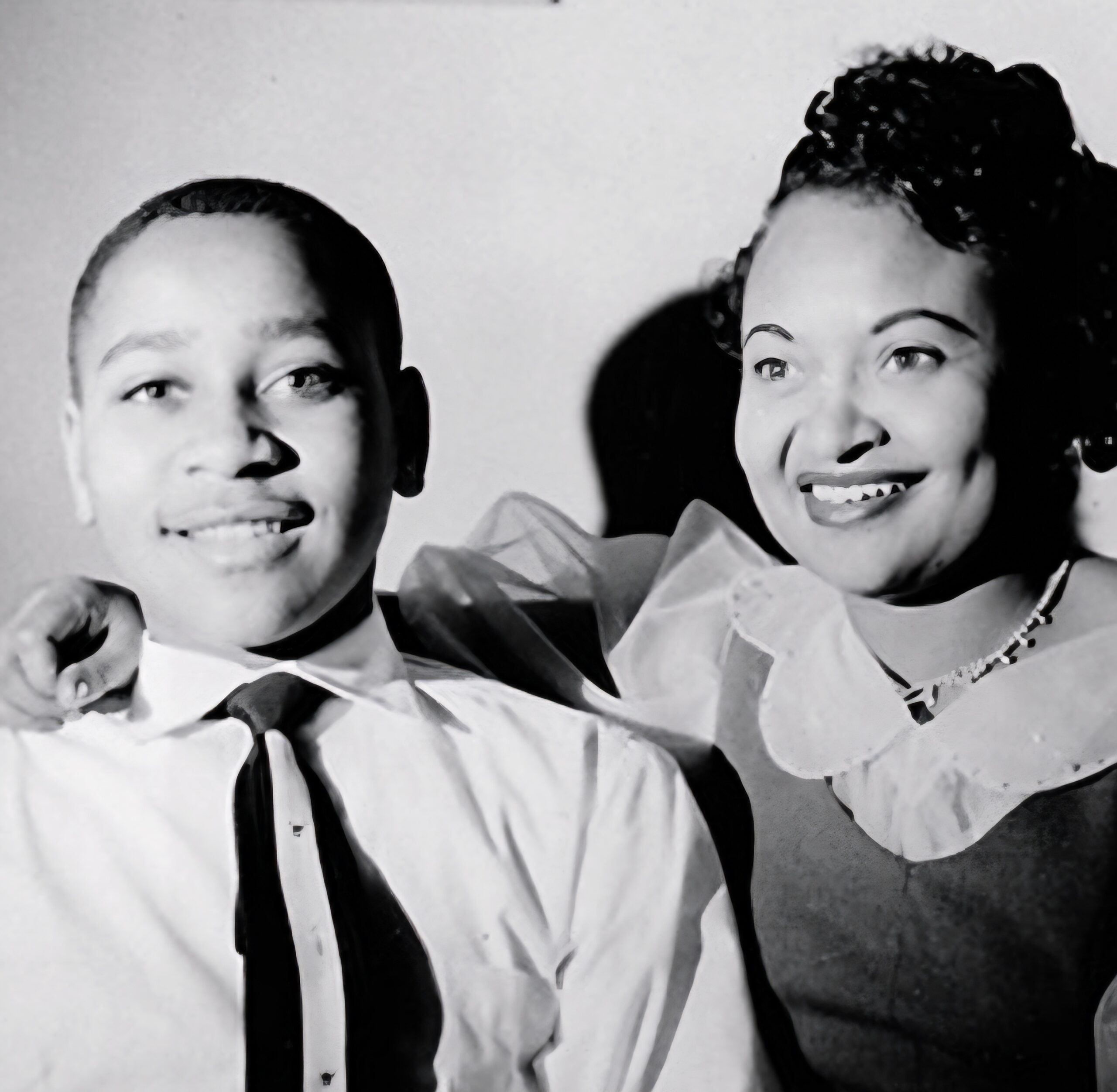

The woman who accused Emmett Till of flirting that led to his murder has now allegedly admitted she lied.
Emmett Till’s accuser allegedly admits she lied
Vanity Fair reports that Timothy Tyson, the author of a new book titled “The Blood of Emmett Till”, spoke with Carolyn Bryant Donham, who was 21-years-old when she accused Till of advances towards her.
Donham’s claims against Till infuriated two white men, J.W. Milam and his half-brother Roy Bryant. The men abducted and murdered Till three nights later, leaving his body bludgeoned, bruised and left at the bottom of the Tallahatchie River in Mississippi.
- An all-white jury acquitted Bryant and Milam of their crimes.
- Milam and Bryant later admitted to their crimes in a Look Magazine interview, which paid them $3,000 for their account.
Donham, who is now 82, testified at the trial. Her testimony further criminalized Till, who meant little to the jury of white men charged with seeking justice for a young Black man accused of whistling at a White woman.
Interview
However, as Donham allegedly revealed to Tyson in his new book: “That part’s not true.”
“Nothing that boy did could ever justify what happened to him,” she said.
Donham, who allegedly told Tyson that she couldn’t remember what happened during the remainder of the evening, took the stand during the trial and claimed she was “scared to death” in the moments that Till approached her.
According to Vanity Fair:
She had asserted that Till had grabbed her and verbally threatened her. She said that while she was unable to utter the “unprintable” word he had used (as one of the defense lawyers put it), “he said [he had]’”—done something – “with white women before.’” Then she added, “I was just scared to death.” A version of her damning allegation was also made by the defendant’s lawyers to reporters. (The jury did not hear Carolyn’s words because the judge had dismissed them from the courtroom while she spoke, ruling that her testimony was not relevant to the actual murder. But the court spectators heard her, and her testimony was put on the record because the defense wanted her words as evidence in a possible appeal in the event that the defendants were convicted.)
Tyson is the first author to interview Donham, who actually approached Tyson initially because she was writing her memoir.
Vanity Fair reports that Donham didn’t “officially repent” for her actions by attempting to join racial justice groups. She did, however, admitted to feeling “tender sorrow” for Till’s mother, Mamie Till-Mobley. Mobley, who died in 2003, had committed her life to fighting for civil rights.
“When Carolyn herself later lost one of her sons, she thought about the grief that Mamie must have felt and grieved all the more,” Tyson reportedly wrote in his book.
Tyson’s book will be published next week. This telling story will sure disclose more about the actions of all involved that cost Till’s life.
Real stories. Real impact. Straight to your inbox. Join thousands others. Click here to subscribe to our newsletter today!
Follow us on Facebook, X, TikTok, Instagram












Memphis man sues city, police over photo taken of his deceased mother

Asbury Park High School: History Seminar

New Jersey police reach $4 million settlement with children of woman killed by ex-husband, a former police officer

Druski new parody mocking conservative women sparks debate

Detroit man convicted of sexually assaulting, killing teen found dead in prison 2 weeks after sentencing
Kendrick Johnson’s parents file $10B lawsuit against federal judges

GoFundMe launched after Alabama mother is fatally shot by husband hours after giving birth

Shaquille O’Neal pays for funeral costs for 12‑year‑old Jada West, Georgia officials say

Family demands justice after Baltimore County man dies after being punched by police officer in violent encounter
New Jersey police reach $4 million settlement with children of woman killed by ex-husband, a former police officer

OWN greenlights first-ever ‘Belle Collective’ spinoff Belle Collective: Birmingham

Hazel Scott’s legacy returns to Harlem in free outdoor film screening

Olympic Gymnast Frederick Richard sets world record, raises $50K for Ugandan youth

Renee Ferguson, trailblazing investigative journalist, dies at 75

“AfroPoP Digital Shorts” returns to the land with “Sweet Samara,” climate and abolitionist film




-
 Community2 weeks ago
Shaquille O’Neal pays for funeral costs for 12‑year‑old Jada West, Georgia officials say
-
 Social Justice3 days ago
New Jersey police reach $4 million settlement with children of woman killed by ex-husband, a former police officer
-

 Education1 week ago
Asbury Park High School: Crossover event esports and history with Tina Watson
-
 Social Justice5 days ago
Jury awards California woman $15 million after supervisor called her n-word
-

 Culture2 weeks ago
Wu‑Tang Clan concert film to screen at The Pinhook as part of Wu‑Tang Wednesday Series
-
 Social Justice7 days ago
Family pleads for Trump’s help bringing severely ill son home from Chinese prison
-
 Crime & Justice4 days ago
Detroit man convicted of sexually assaulting, killing teen found dead in prison 2 weeks after sentencing
-
 Culture3 days ago
Druski new parody mocking conservative women sparks debate
-
 Social Justice2 weeks ago
DOJ moves to dismiss criminal case against ex-officers charged for role in Breonna Taylor’s death
-
 In Memoriam2 weeks ago
In Memoriam: Beloved Showtime at the Apollo co-host Kiki Shepard