
Health & Wellness
St. Louis native creates mental health organization after brother’s suicide
September is National Suicide Prevention Month, and it’s the perfect time to begin to normalize taking care of our mental health.


Creating a new non-profit organization was the farthest idea from Sidney C. Stuckey’s mind.
It has now become his passion following the death by suicide of his younger brother, Richard, in April of 2005.
Tunnel Light
Stuckey’s grieving process sent him on a fact-finding mission, learning everything he could about suicide and mental health.
He talked to those who have suffered from depression, in addition to counselors, psychiatrists and psychologists, ultimately facilitating grief sessions himself.
In 2018, he finally decided to put his organization in place. It would be called Tunnel Light, Inc.
“Most people who are suffering from some form of depression, we always think of that as darkness or being in a hole or being where there’s no light, no escape,” says Stuckey, Founder of Tunnel Light, Inc.
“So, that’s what I was thinking myself. It’s a light at the end of that dark tunnel that a person may be feeling mentally.”
Statistics
One 2019 study listed suicide as the second leading cause of death for young Black men.
Another study the same year sounded the alarm of a rising trend of suicides among Black youth ages 13 – 19.
During a 16-year time period – 2001 to 2017 – suicide among Black girls nearly doubled and suicide among Black boys rose 60-percent.
September is National Suicide Prevention Month, and Stuckey says it’s the perfect time to begin to normalize taking care of our mental health.
“We need to learn that it’s ok to make going to see a psychologist or psychiatrist a regular part of our health routine,” says Stuckey. “Just like we go to get a physical exam once or twice a year, we need to do that, as well, with our mental health, if not more often.”
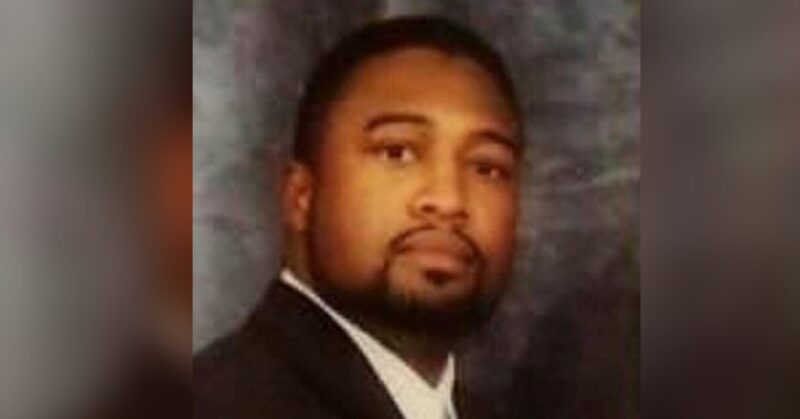
Richard Stuckey
Purpose of Tunnel Light
Stuckey wants Tunnel Light to help the community become mentally well, whether dealing with depression or any number of mental illnesses.
He sees the organization providing funding for individuals without access to health care or other resources, subsidies for families to cover things like daycare or transportation where the lack of these necessities causes stress, and a safe space for dialogue with someone who cares.
“It made me sad that my brother felt that he couldn’t talk to us,” says Stuckey. So, when people think of Tunnel Light, “I want then to think of hope,” he says.
Discover more from Unheard Voices Magazine®
Subscribe to get the latest posts sent to your email.













New Jersey mom demands answers after 4‑year‑old son died at daycare

Dr. Bernice King says Nolan Wells’ death mirrors Uncle A.D. King’s mysterious death

Earth, Wind & Fire Drummer John Paris is now in rehab following hospitalization

Black Public Media to premiere “The Morgue Twins,” spotlighting twin NYC mortuary technicians

Teen brother to donate lifesaving bone marrow to younger sister battling sickle cell

Strangers raise $10,000 in 48 hours for Las Vegas piano tuner after viral video

VP of Detroit funeral home found dead days after family said mother was mistakenly cremated

Black Aerospace Professionals Development Director Haifa Baptiste dies in Costa Rica flash flood

Mississippi police make second arrest in death of Black woman found hanging from tree

Sister Betsy Jean Farrakhan, eldest daughter of Minister Louis Farrakhan, dies

Woody Shaw’s Avant‑Garde ‘Song of Songs’ returns to vinyl after 50 years through Jazz Dispensary’s Top Shelf Series

Kansas City’s Copper Boyz Ranch provides youth violence‑prevention through horsemanship

Nolan Wells’ family demands ‘thorough’ investigation: “What we’ve been told does not make sense”

Peabo Bryson, Grammy‑winning voice behind two Disney classics, dies at 75

OWN greenlights first-ever ‘Belle Collective’ spinoff Belle Collective: Birmingham




-
 Culture4 days ago
Buried history: Documentary uncovers Black slave cemetery hidden under Staten Island shopping center
-

 Social Justice4 days ago
Justice for Nolan Wells Reward Fund raises $300k
-
Social Justice7 days ago
Atlanta University Center students marched to demand justice for Nolan Wells
-

 Black and Missing5 days ago
What happened to Chantel Brooks? Police, family continue to seek answers for woman missing since July
-
 Crime & Justice1 week ago
Former Sheriff’s Deputy found not guilty of manslaughter in fatal shooting of Airman Roger Fortson
-
 Social Justice5 days ago
Nolan Wells’ family, national leaders renew call for federal investigation into teen’s death
-
 Crime & Justice1 week ago
Former police officer Amber Guyger granted parole 7 years after conviction for murder of Botham Jean
-

 In Memoriam2 weeks ago
Angela Stribling, BET host and D.C. radio icon, dies at 58 after cancer battle