
Social Justice
Formerly incarcerated women win federal order to air condition every Texas prison by 2029
Lioness Justice Impacted Women’s Alliance won a federal order requiring air conditioning in every Texas prison by 2029, securing a landmark Eighth Amendment victory for incarcerated women and gender‑expansive people.

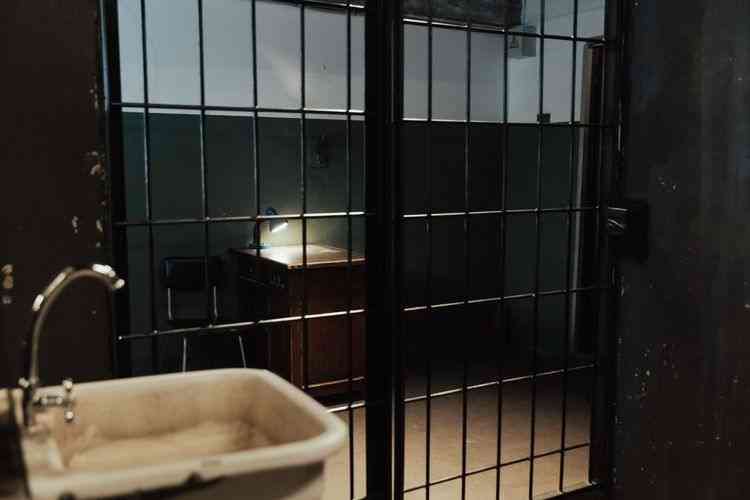

AUSTIN, Texas — A federal court has ordered the Texas Department of Criminal Justice to install air conditioning in every Texas prison, ruling that extreme heat in uncooled units violates the Eighth Amendment’s ban on cruel and unusual punishment.
U.S. District Judge Robert Pitman issued the permanent injunction Monday after reviewing extensive evidence of dangerous heat conditions across the state’s prison system.
According to the ruling, TDCJ must complete the project by Dec. 31, 2029.
How the lawsuit began
The lawsuit began in 2023 when Bernie Tiede, a former mortician serving a life sentence, filed a federal complaint challenging extreme heat conditions inside Texas prisons. His filing opened the door for broader litigation.
Soon after, three prisoners’ rights organizations moved to join the suit and expand it beyond Tiede’s individual claims. Those groups, all representing or advocating for people incarcerated in Texas prisons, became the primary plaintiffs:
- Lioness Justice Impacted Women’s Alliance — founded and led by currently and formerly incarcerated women and gender‑expansive people.
- Texas Prisons Community Advocates — a statewide organization focused on prison conditions and legislative reform.
- Texas Citizens United for Rehabilitation of Errants — a long‑standing advocacy group working on rehabilitation and reentry issues.
Together, they argued that extreme heat inside Texas prisons created unconstitutional risks for tens of thousands of people.
Trial detailed effects of extreme heat
According to court filings, nearly 90,000 incarcerated people endured another Texas summer without air conditioning with heat soaring to 100 degrees. People became sick, passed out and, at times, splashed toilet water on themselves to cool down.
TDCJ acknowledged that 23 people died from heat‑related causes between 1998 and 2012, including 10 deaths during the summer of 2011.
“These are not humane conditions,” Pitman wrote in the 150‑page ruling.
During the eight day trial, the court heard testimony from incarcerated people, medical experts and advocates who described the physical and mental toll of prolonged exposure to extreme heat.
Lioness Justice Impacted Women’s Alliance help lead the organizing that made the case possible
Lioness Justice Impacted Women’s Alliance, founded inside a Texas prison and led by currently and formerly incarcerated women and gender‑expansive people, played a central role in bringing the lawsuit forward. Because Lioness operates on both sides of the prison walls, its incarcerated members were able to join the case collectively, a structural advantage that allowed the claims to survive transfers, releases and other barriers that often derail individual filings.
The organization now has about 500 members, including roughly 400 currently incarcerated in Texas Department of Criminal Justice facilities. Lioness is also part of the Quest for Democracy Network, a coalition focused on building political power among people impacted by the criminal legal system.
Advocates say compliance is the next major test
Although the ruling sets a firm deadline, Lioness leaders emphasized that implementation will determine whether relief reaches people inside. The organization plans to work with incarcerated members, families, legal partners and advocates to ensure the state follows the federal order and installs cooling systems across all facilities.
Lioness leaders discussed the ruling during a Facebook Live session, outlining what the decision means for people currently incarcerated and how the group will monitor compliance. The recording is available on the Lioness Facebook page and Instagram.
According to CNN, the Texas Department of Criminal Justice says it will appeal the ruling, arguing the agency already uses “robust heat‑mitigation efforts” and is expanding air‑conditioning in prison units.
The court’s order noted that installing air conditioning across all state facilities is projected to cost about $1.5 billion, according to the agency’s own estimate.
Discover more from Unheard Voices Magazine®
Subscribe to get the latest posts sent to your email.













Former Baltimore State’s Attorney Marilyn Mosby’s mortgage fraud conviction formally dismissed

Clark Atlanta senior dies after driver going 94.4 MPH crashes into her car

Newly released phone records reveal how Nolan Wells’ friends privately discussed his death

Baltimore artist MIDDEKO releases new single “FALLINLUV”

Beloved educator, father identified as victim in Six Flags Over Georgia ride accident

VP of Detroit funeral home found dead days after family said mother was mistakenly cremated

Black Aerospace Professionals Development Director Haifa Baptiste dies in Costa Rica flash flood

Mississippi police make second arrest in death of Black woman found hanging from tree

Sister Betsy Jean Farrakhan, eldest daughter of Minister Louis Farrakhan, dies

Justice for Nolan Wells Reward Fund raises $300k

Woody Shaw’s Avant‑Garde ‘Song of Songs’ returns to vinyl after 50 years through Jazz Dispensary’s Top Shelf Series

Kansas City’s Copper Boyz Ranch provides youth violence‑prevention through horsemanship

Nolan Wells’ family demands ‘thorough’ investigation: “What we’ve been told does not make sense”

Peabo Bryson, Grammy‑winning voice behind two Disney classics, dies at 75

OWN greenlights first-ever ‘Belle Collective’ spinoff Belle Collective: Birmingham





-
 Social Justice1 week ago
Justice for Nolan Wells Reward Fund raises $300k
-

 Culture1 week ago
Buried history: Documentary uncovers Black slave cemetery hidden under Staten Island shopping center
-
Social Justice1 week ago
Atlanta University Center students marched to demand justice for Nolan Wells
-

 Black and Missing1 week ago
What happened to Chantel Brooks? Police, family continue to seek answers for woman missing since July
-

 Crime & Justice2 weeks ago
Former Sheriff’s Deputy found not guilty of manslaughter in fatal shooting of Airman Roger Fortson
-

 Social Justice1 week ago
Nolan Wells’ family, national leaders renew call for federal investigation into teen’s death
-

 Crime & Justice2 weeks ago
Former police officer Amber Guyger granted parole 7 years after conviction for murder of Botham Jean
-

 Health & Wellness2 weeks ago
Naomi Whitehead, America’s oldest living person, celebrates her 116th birthday