
Social Justice
Formerly incarcerated women win federal order to air condition every Texas prison by 2029
Lioness Justice Impacted Women’s Alliance won a federal order requiring air conditioning in every Texas prison by 2029, securing a landmark Eighth Amendment victory for incarcerated women and gender‑expansive people.

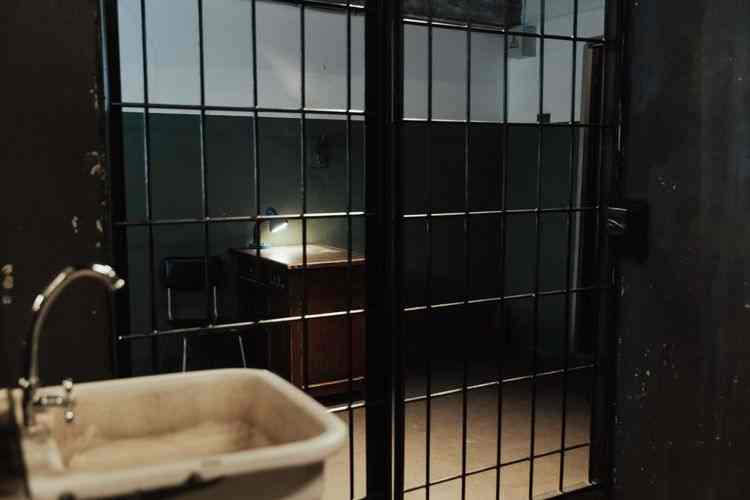

AUSTIN, Texas — A federal court has ordered the Texas Department of Criminal Justice to install air conditioning in every Texas prison, ruling that extreme heat in uncooled units violates the Eighth Amendment’s ban on cruel and unusual punishment.
U.S. District Judge Robert Pitman issued the permanent injunction Monday after reviewing extensive evidence of dangerous heat conditions across the state’s prison system.
According to the ruling, TDCJ must complete the project by Dec. 31, 2029.
How the lawsuit began
The lawsuit began in 2023 when Bernie Tiede, a former mortician serving a life sentence, filed a federal complaint challenging extreme heat conditions inside Texas prisons. His filing opened the door for broader litigation.
Soon after, three prisoners’ rights organizations moved to join the suit and expand it beyond Tiede’s individual claims. Those groups, all representing or advocating for people incarcerated in Texas prisons, became the primary plaintiffs:
- Lioness Justice Impacted Women’s Alliance — founded and led by currently and formerly incarcerated women and gender‑expansive people.
- Texas Prisons Community Advocates — a statewide organization focused on prison conditions and legislative reform.
- Texas Citizens United for Rehabilitation of Errants — a long‑standing advocacy group working on rehabilitation and reentry issues.
Together, they argued that extreme heat inside Texas prisons created unconstitutional risks for tens of thousands of people.
Trial detailed effects of extreme heat
According to court filings, nearly 90,000 incarcerated people endured another Texas summer without air conditioning with heat soaring to 100 degrees. People became sick, passed out and, at times, splashed toilet water on themselves to cool down.
TDCJ acknowledged that 23 people died from heat‑related causes between 1998 and 2012, including 10 deaths during the summer of 2011.
“These are not humane conditions,” Pitman wrote in the 150‑page ruling.
During the eight day trial, the court heard testimony from incarcerated people, medical experts and advocates who described the physical and mental toll of prolonged exposure to extreme heat.
Lioness Justice Impacted Women’s Alliance help lead the organizing that made the case possible
Lioness Justice Impacted Women’s Alliance, founded inside a Texas prison and led by currently and formerly incarcerated women and gender‑expansive people, played a central role in bringing the lawsuit forward. Because Lioness operates on both sides of the prison walls, its incarcerated members were able to join the case collectively, a structural advantage that allowed the claims to survive transfers, releases and other barriers that often derail individual filings.
The organization now has about 500 members, including roughly 400 currently incarcerated in Texas Department of Criminal Justice facilities. Lioness is also part of the Quest for Democracy Network, a coalition focused on building political power among people impacted by the criminal legal system.
Advocates say compliance is the next major test
Although the ruling sets a firm deadline, Lioness leaders emphasized that implementation will determine whether relief reaches people inside. The organization plans to work with incarcerated members, families, legal partners and advocates to ensure the state follows the federal order and installs cooling systems across all facilities.
Lioness leaders discussed the ruling during a Facebook Live session, outlining what the decision means for people currently incarcerated and how the group will monitor compliance. The recording is available on the Lioness Facebook page and Instagram.
According to CNN, the Texas Department of Criminal Justice says it will appeal the ruling, arguing the agency already uses “robust heat‑mitigation efforts” and is expanding air‑conditioning in prison units.
The court’s order noted that installing air conditioning across all state facilities is projected to cost about $1.5 billion, according to the agency’s own estimate.
Discover more from Unheard Voices Magazine®
Subscribe to get the latest posts sent to your email.













Malcolm Card-Turner, beloved Utah father, dies in Grand Canyon plane crash after first NFL game

New York’s first civil rights museum opens in Harlem, highlighting centuries of Black history

‘The Voice’ winner Alexia Jayy loses house, belongings in ‘devastating’ fire; GoFundMe launched

Study reveals most atressful jobs after military service

Chadwick Boseman’s father, Leroy Boseman, dies at 82

West Orange mayoral candidate under investigation after sign removal allegations but she says she had permission from the property owner to remove them

Jay-z’s Roc Nation Sports to reportedly send 3‑year‑old soccer phenom to Spain for training

Late Cambridge professor Jason Arday cleared of plagiarism again

Police called after 3‑year‑old soccer phenom dominates Florida youth game, family alleges

Louisiana teen becomes first child functionally cured of sickle cell disease

Druski signs multiyear Netflix deal, announces new comedy series ‘Collect & Praise’

Woody Shaw’s Avant‑Garde ‘Song of Songs’ returns to vinyl after 50 years through Jazz Dispensary’s Top Shelf Series

Kansas City’s Copper Boyz Ranch provides youth violence‑prevention through horsemanship

Nolan Wells’ family demands ‘thorough’ investigation: “What we’ve been told does not make sense”

Peabo Bryson, Grammy‑winning voice behind two Disney classics, dies at 75





-

 Culture2 weeks ago
Teenage Mutant Ninja Turtles returns to Wilmington with live hip-hop soundtrack at Cucalorus Film Festival
-

 Culture2 weeks ago
Kendra G returns to host Season 2 of OWN’s Dating Download, premiering Nov. 18
-

 Real Voices2 weeks ago
Ole Miss Black students speak out after viral video shows white women making monkey noises outside their apartment
-

 In Memoriam2 weeks ago
Remembering Toukie Smith: ‘227’ actress and trailblazing model dies at 74 after multiple sclerosis battle
-

 Entertainment2 weeks ago
Matt Proxy wins PlaqueBoyMax’s Rising Star competition, takes home $25,000 prize in Los Angeles
-

 Entertainment2 weeks ago
Remembering: Irma P. Hall, beloved ‘Soul Food’ actress who found Hollywood success later in life, dies at 91
-

 Entertainment2 weeks ago
Queen Latifah’s Newark affordable housing mission takes center stage in new BET documentary
-

 Entertainment1 week ago
Jordan Fisher to star as Prince’s iconic character in Broadway’s ‘Purple Rain’ musical