
Culture
The Seven Principles of Kwanzaa
Kwanzaa is a seven-day non-religious holiday observed in the US, meant to honor African Americans’ ancestral roots.

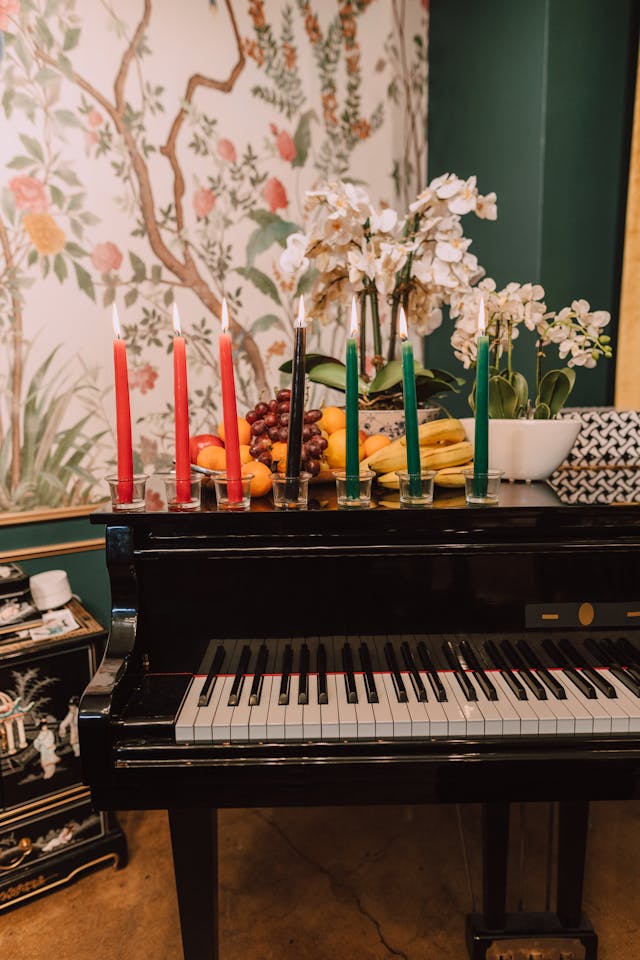

December 26 marks the start of Kwanzaa, also spelled Kwanza.
Seven principles of Kwanzaa
It’s a seven-day non-religious holiday observed in the US, meant to honor African Americans‘ ancestral roots. The celebration lasts until January 1.
The name comes from the Swahili phrase “matunda ya kwanza,” which means “first fruits.”
Created in 1966 by Maulana Karenga, a Black nationalist and professor of Pan-African studies at California State University at Long Beach, Kwanzaa became popular in the 1980s and 1990s in conjunction with the black power movement.
The holiday is defined by Nguzo Saba, or the seven principles.
Each day they light a candle to highlight the principle of that day and to breathe meaning into the principles with various activities, such as reciting the sayings or writings of great black thinkers and writers, reciting original poetry, African drumming, and sharing a meal of African diaspora-inspired foods.
Here are the seven principles of Kwanzaa:
Discover more from Unheard Voices Magazine®
Subscribe to get the latest posts sent to your email.













Detroit artist K Salt releases new music “Can’t Deny”

Cyclist Tofik Beshir, 19, shows major progress after traumatic training crash in North Carolina

Late Cambridge professor Jason Arday cleared of plagiarism again

Black Public Media’s “AfroPoP” series presents 100th film: “Paradox,” which confronts Minneapolis policing history

Louisiana teen becomes first child functionally cured of sickle cell disease

VP of Detroit funeral home found dead days after family said mother was mistakenly cremated

Justice for Nolan Wells Reward Fund raises $300k

Buried history: Documentary uncovers Black slave cemetery hidden under Staten Island shopping center
Atlanta University Center students marched to demand justice for Nolan Wells

What happened to Chantel Brooks? Police, family continue to seek answers for woman missing since July

Woody Shaw’s Avant‑Garde ‘Song of Songs’ returns to vinyl after 50 years through Jazz Dispensary’s Top Shelf Series

Kansas City’s Copper Boyz Ranch provides youth violence‑prevention through horsemanship

Nolan Wells’ family demands ‘thorough’ investigation: “What we’ve been told does not make sense”

Peabo Bryson, Grammy‑winning voice behind two Disney classics, dies at 75

OWN greenlights first-ever ‘Belle Collective’ spinoff Belle Collective: Birmingham





-

 Culture2 weeks ago
NXT Awards return to Atlanta Oct. 25
-

 Community2 weeks ago
Operation Christmas Child will open drop‑off locations across the U.S
-

 Entertainment2 weeks ago
OWN for the Holidays returns with new movies
-

 Real Voices2 weeks ago
Newly released phone records reveal how Nolan Wells’ friends privately discussed his death
-

 Social Justice2 weeks ago
Family of Cal State Fullerton student who died at unaffiliated fraternity event pushes for safety reform
-

 Music2 weeks ago
Baltimore artist MIDDEKO releases new single “FALLINLUV”
-

 Music2 weeks ago
Baron Von Alias drops “Lost In Translation” with Keith Murray and Tash
-

 Social Justice1 week ago
North Carolina A&T, UNC Greensboro and Bennett students march nearly an hour after campus voting sites removed