
Black Excellence
Stewart Fulbright, Tuskegee Airman and business school dean, dies at 92
Stewart Fulbright, a trailblazing black educator who piloted a bomber during World War II as one of the Tuskegee Airmen and later served as the first dean of the North Carolina Central University School of Business, has died, He was 92.

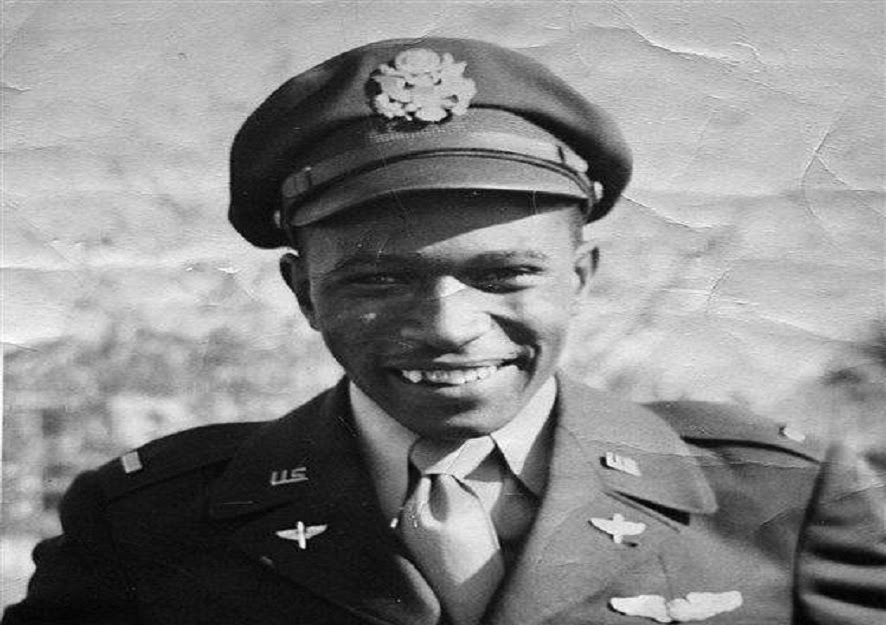

Durham, N.C. — Stewart Fulbright, a pioneering Black educator and World War II bomber pilot who served as one of the Tuskegee Airmen before becoming the first dean of the North Carolina Central University School of Business, has died.
He was 92.
His son, Edward Fulbright, said he died in Durham, N.C., on New Year’s Day after a short illness. A funeral is scheduled for Saturday at Covenant Presbyterian Church.
A Life of Service and Firsts
Born in Springfield, Mo., in 1919, Fulbright enlisted in the Army Air Corps in 1943. He was among roughly 1,000 men trained in Tuskegee, Ala., as the first Black pilots, navigators, and bombardiers in U.S. military history. Their training and combat performance broke racial barriers and helped reshape the nation’s armed forces.
After the war, Fulbright joined North Carolina Central University in 1947. He spent 35 years at the institution, rising through the ranks and becoming the first dean of the School of Business in 1972. He retired in 1982, leaving behind a legacy of academic leadership and mentorship.
The Legacy of the Tuskegee Airmen
The Tuskegee Airmen were the first Black military aviators in the U.S. Army Air Corps, the precursor to the U.S. Air Force. Trained at the Tuskegee Army Air Field in Alabama, they flew more than 15,000 sorties across Europe and North Africa during World War II. Their performance earned them more than 150 Distinguished Flying Crosses and helped push the U.S. military toward integration.
Their achievements came despite widespread racist beliefs that Black pilots could not operate advanced aircraft. In the years leading up to the war, African Americans faced steep barriers to aviation training. President Franklin D. Roosevelt’s expansion of the civilian pilot training program in 1938 opened the door for Black trainees, but segregation remained deeply entrenched in the armed forces.
The Tuskegee Airmen’s success challenged those prejudices and reshaped public perception of Black servicemen.
Remembering Tuskegee Airman Stewart Fulbright
Fulbright’s life bridged two eras, one defined by segregation and another shaped by the slow but steady expansion of opportunity. As a bomber pilot, educator, and dean, he helped open doors for future generations.
His contributions endure at NCCU, within the history of the Tuskegee Airmen, and in the lives of the students and colleagues he inspired.
Discover more from Unheard Voices Magazine®
Subscribe to get the latest posts sent to your email.













North Carolina family mourns 11-year-old Kylen Baldwin killed in d hit-and-run scooter crash

Jury convicts Rodney Hinton Jr. of murder in deputy’s 2025 traffic‑detail death

Black toddler reportedly overlooked at Connecticut library event, viral video sparks investigation

Michigan 11-year-old honors late mother who died from breast cancer through soccer

Couple files racial discrimination lawsuit after real estate broker’s alleged “Ugh. They Are Black” text

VP of Detroit funeral home found dead days after family said mother was mistakenly cremated

Justice for Nolan Wells Reward Fund raises $300k

California couple welcomes rare mixed triplets weighing 19 pounds total, nearly breaking world record

Buried history: Documentary uncovers Black slave cemetery hidden under Staten Island shopping center

North Carolina A&T mourns beloved senior who tragically died after saving sister from drowning

Woody Shaw’s Avant‑Garde ‘Song of Songs’ returns to vinyl after 50 years through Jazz Dispensary’s Top Shelf Series

Kansas City’s Copper Boyz Ranch provides youth violence‑prevention through horsemanship

Nolan Wells’ family demands ‘thorough’ investigation: “What we’ve been told does not make sense”

Peabo Bryson, Grammy‑winning voice behind two Disney classics, dies at 75

OWN greenlights first-ever ‘Belle Collective’ spinoff Belle Collective: Birmingham





-

 Culture2 weeks ago
NXT Awards return to Atlanta Oct. 25
-

 Community2 weeks ago
Operation Christmas Child will open drop‑off locations across the U.S
-

 Entertainment2 weeks ago
OWN for the Holidays returns with new movies
-

 Real Voices2 weeks ago
Newly released phone records reveal how Nolan Wells’ friends privately discussed his death
-

 Social Justice1 week ago
Family of Cal State Fullerton student who died at unaffiliated fraternity event pushes for safety reform
-

 Music2 weeks ago
Baltimore artist MIDDEKO releases new single “FALLINLUV”
-

 Music2 weeks ago
Baron Von Alias drops “Lost In Translation” with Keith Murray and Tash
-

 Social Justice2 weeks ago
Former Baltimore State’s Attorney Marilyn Mosby’s mortgage fraud conviction formally dismissed