
Health & Wellness
Everything you need to know about dangerous club drugs
Since the early 90’s there has been a drastic increase in the use of substances referred to as “club drugs”.

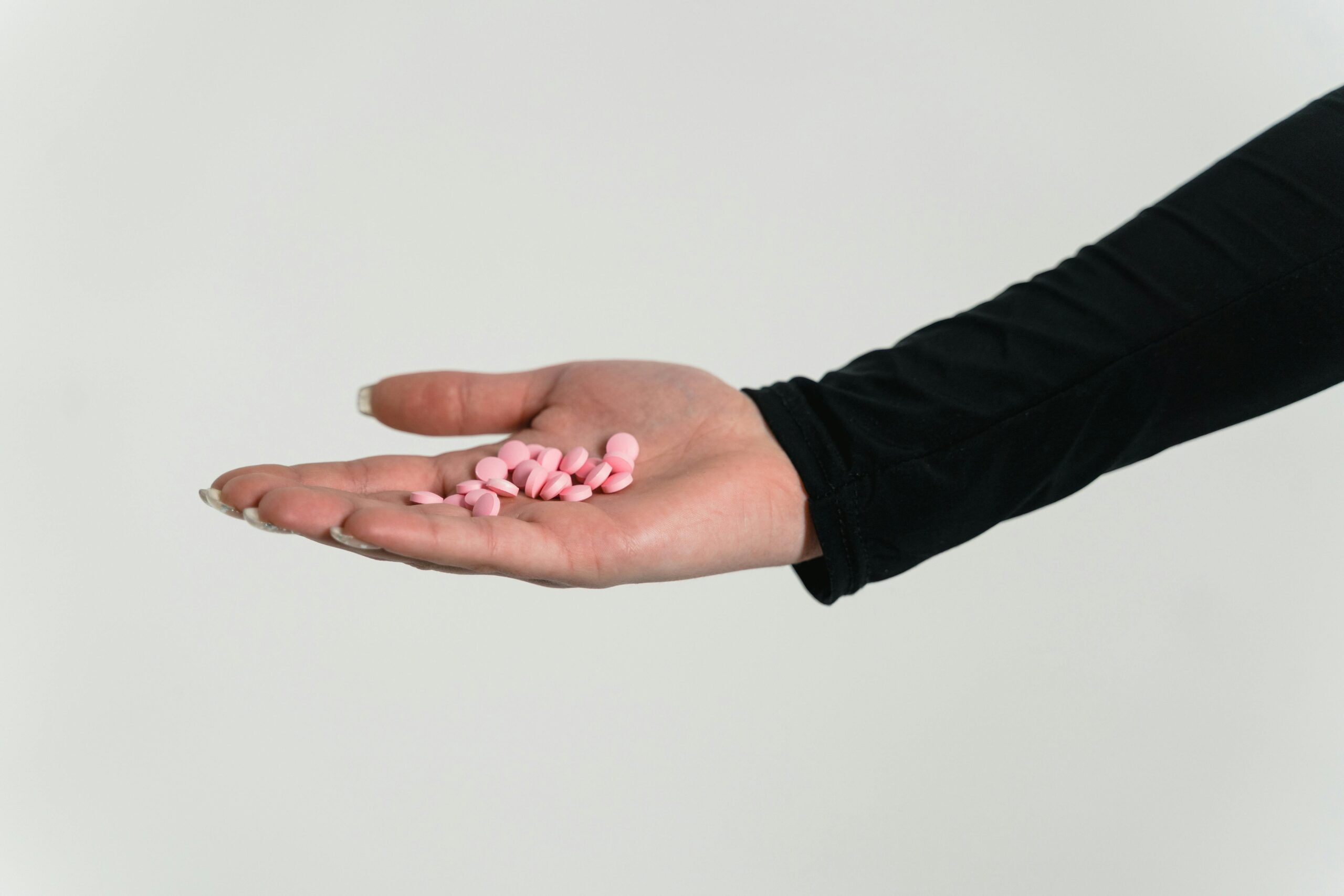

Since the early 90’s there has been a drastic increase in the use of substances referred to as “club drugs”.
Effects on young people
These dangerous club drugs are most common among teens, young adults, and those a part of the LGBTQ community.
The term most specifically refers to ecstasy, or MDMA, ketamine, and LSD. In small doses, these drugs may not be terribly harmful, but they do have a potential for addiction which can lead to health problems as well as mental health problems. The biggest concern is the mimicking of these drugs with the use of “designer drugs.”
Dangerous Club Drugs : Designer Drugs
Designer drugs have gained massive momentum since the early 2000s. They include cathinone derivatives, or bath salts, and many other obscure research chemicals.
Little is known about these drugs, but many overdoses, seizures, panic attacks, and psychotic episodes have been reported. These drugs are used because they produce similar effects as club drugs like euphoria, stimulation, and hallucinations.
Designer drugs can be pressed into tablets to mimic ecstasy, in powder to mimic “molly” (MDMA), or dropped on blotter paper to mimic LSD. This makes the drugs extremely hard to detect by the user, until it is too late. This has triggered organizations to form, like Dance Safe, whom test drugs at music festivals and sell affordable drug identification kits. This is known as a form of harm reduction with the aim of enabling people to use drugs safer. Although no drug is “safe”, the goal of harm reduction in the club community is to deter harmful and deadly adulterants.
One should never consume drugs purchased in a club or music festival. These are hotbeds for dealers who want to make a quick buck and often fake their drugs with harmful additives. These designer drugs are typically purchased on the internet for extremely cheap prices because they are produced in giant labs in China and are extremely hard to detect compared to more common drugs like MDMA.
MDMA
Even real MDMA has a high potential for addiction and injury while in a club. Often MDMA users will dance for many hours without consuming food or water. MDMA produces a huge rush of energy and euphoria. It is a stimulant which means it also suppresses appetite. This can often lead to exhaustion, dehydration, and heat stroke. The body temperature rises while on MDMA, this combined with dancing for long periods of time can lead to dangerously high fevers.
Drugs like GHB and MDMA are very common among the LGBT clubbing community. More than 20% of LGBT community members abuse substances. These club drugs are known as aphrodisiacs and unsafe sex is often a result. Unwanted or unprotected sex is common among the drug-using LGBT community, and trauma or STDs potential is very high. GHB also has a high potential for overdose or black-outs, which can leave a person vulnerable to assault.
LSD
LSD can also leave a person very vulnerable. LSD can cause delusion and hallucinations, and can sometimes cause panic attacks while in a crowded club. On its own the drug is not very physically harmful, but it has been reported to trigger mental illness like depression, anxiety, and schizophrenia.
Discover more from Unheard Voices Magazine®
Subscribe to get the latest posts sent to your email.



New Jersey mom demands answers after 4‑year‑old son died at daycare

Dr. Bernice King says Nolan Wells’ death mirrors Uncle A.D. King’s mysterious death

Earth, Wind & Fire Drummer John Paris is now in rehab following hospitalization

Black Public Media to premiere “The Morgue Twins,” spotlighting twin NYC mortuary technicians

Teen brother to donate lifesaving bone marrow to younger sister battling sickle cell

Strangers raise $10,000 in 48 hours for Las Vegas piano tuner after viral video

VP of Detroit funeral home found dead days after family said mother was mistakenly cremated

Black Aerospace Professionals Development Director Haifa Baptiste dies in Costa Rica flash flood

Mississippi police make second arrest in death of Black woman found hanging from tree

Sister Betsy Jean Farrakhan, eldest daughter of Minister Louis Farrakhan, dies

Woody Shaw’s Avant‑Garde ‘Song of Songs’ returns to vinyl after 50 years through Jazz Dispensary’s Top Shelf Series

Kansas City’s Copper Boyz Ranch provides youth violence‑prevention through horsemanship

Nolan Wells’ family demands ‘thorough’ investigation: “What we’ve been told does not make sense”

Peabo Bryson, Grammy‑winning voice behind two Disney classics, dies at 75

OWN greenlights first-ever ‘Belle Collective’ spinoff Belle Collective: Birmingham





-

 Culture5 days ago
Buried history: Documentary uncovers Black slave cemetery hidden under Staten Island shopping center
-

 Social Justice5 days ago
Justice for Nolan Wells Reward Fund raises $300k
-
Social Justice7 days ago
Atlanta University Center students marched to demand justice for Nolan Wells
-

 Black and Missing5 days ago
What happened to Chantel Brooks? Police, family continue to seek answers for woman missing since July
-

 Crime & Justice1 week ago
Former Sheriff’s Deputy found not guilty of manslaughter in fatal shooting of Airman Roger Fortson
-

 Social Justice6 days ago
Nolan Wells’ family, national leaders renew call for federal investigation into teen’s death
-
 Crime & Justice1 week ago
Former police officer Amber Guyger granted parole 7 years after conviction for murder of Botham Jean
-

 In Memoriam2 weeks ago
Angela Stribling, BET host and D.C. radio icon, dies at 58 after cancer battle