
Culture
The Celebration of Kwanzaa : What It Means
Kwanzaa is a week long celebration honoring African-American heritage and culture that is celebrated by millions across the United States.

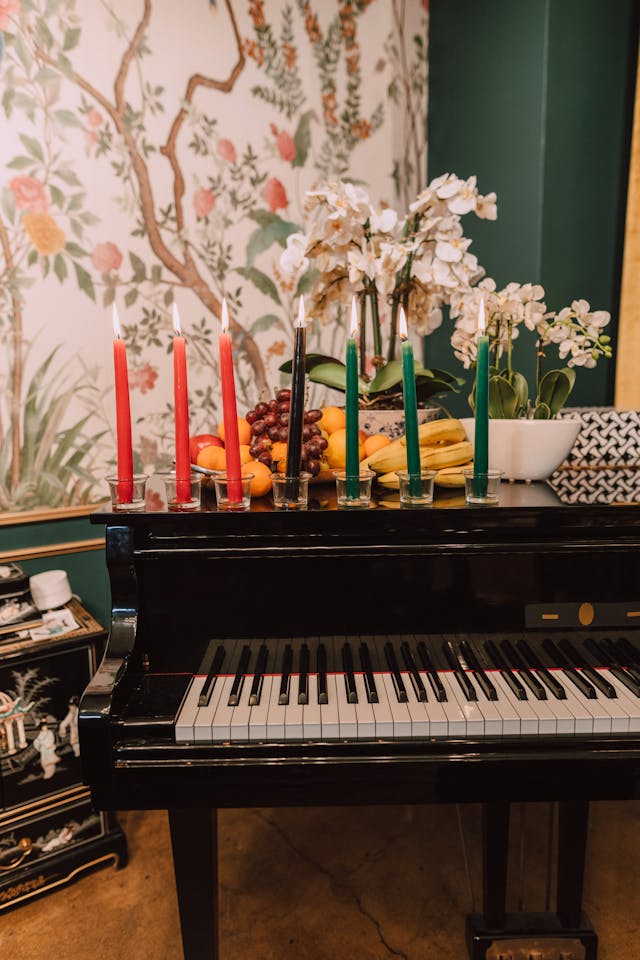

The Celebration of Kwanzaa is a week long celebration honoring African American heritage and culture. Kwanzaa brings a cultural message which speaks to the best of what it means to be African.
Celebration of Kwanzaa
Kwanzaa celebrates what its founder called the seven principles of Kwanzaa. It is also known as Nguzo Saba, the seven principles of African Heritage.
These seven principles comprise a Swahili term for tradition and reason. Each of the seven days of Kwanzaa is dedicated to one of the following principles, as follows:
- Umoja (Unity): To strive for and to maintain unity in the family, community, nation, and race.
- Kujichagulia (Self-Determination): To define ourselves, name ourselves, create for ourselves, and speak for ourselves stand up.
- Ujima (Collective Work and Responsibility): To build and maintain our community together and make our brothers’ and sisters’ problems our problems, and to solve them together.
- Ujamaa (Cooperative Economics): To build and maintain our own stores, shops, and other businesses and to profit from them together
- Nia (Purpose): To make our collective vocation the building and developing of our community in order to restore our people to their traditional greatness.
- Kuumba (Creativity): To do always as much as we can, in the way we can, in order to leave our community more beautiful and beneficial than we inherited it.
- Imani (Faith): To believe with all our heart in our people, our parents, our teachers, our leaders, and the righteousness and victory of our struggle.
Families celebrating Kwanzaa decorate their households with
- objects of art; colorful African cloth such as kente, especially the wearing of kaftans by women;
- fresh fruits that represent African idealism.
It is customary to include children in Kwanzaa ceremonies and to give respect and gratitude to ancestors.
Follow Unheard Voices on Twitter for more coverage.
Real stories. Real impact. Straight to your inbox. Join thousands others. Click here to subscribe to our newsletter today!
Want to tell your story, send a news tip or report a correction? Contact us at [email protected]
Follow us on Facebook, X, TikTok, Instagram, News Break
Discover more from Unheard Voices Magazine®
Subscribe to get the latest posts sent to your email.







Chef Dom Taylor, Netflix’s ‘Five Star Chef’ winner and Caribbean cuisine innovator, dies at 44

Man convicted of killing dancer in anti‑gay attack in New York sentenced to 20 years

Nolan Wells’ mom says she’s receiving hate mail after 18-year-old son’s death

New Jersey triplets graduate high school together, and two share Valedictorian honor
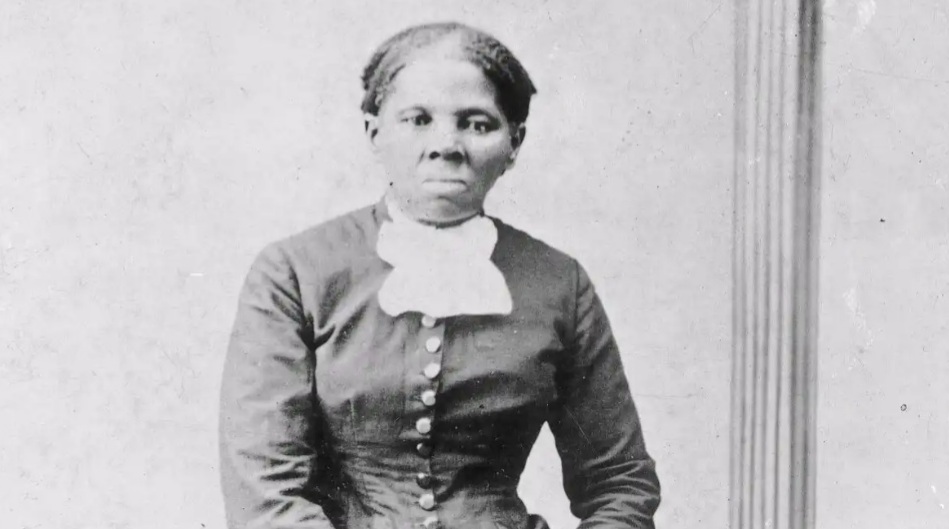
Harriet Tubman Museum calls for community support after break-in just weeks after grand reopening

Wilberforce University freshman dies after hazing ritual, lawsuit alleges
GoFundMe launched after death of Mississippi teen Nolan Xavier Wells
GoFundMe raises more than $500,000 to support family of Nolan Xavier Wells after tragic loss

Former Rutgers football captain Jamil Merrell dies at 36

Beloved Florida scholar, Kappa Alpha Psi member dies after going overboard Miami boat ride

Woody Shaw’s Avant‑Garde ‘Song of Songs’ returns to vinyl after 50 years through Jazz Dispensary’s Top Shelf Series

Kansas City’s Copper Boyz Ranch provides youth violence‑prevention through horsemanship
Nolan Wells’ family demands ‘thorough’ investigation: “What we’ve been told does not make sense”

Peabo Bryson, Grammy‑winning voice behind two Disney classics, dies at 75

OWN greenlights first-ever ‘Belle Collective’ spinoff Belle Collective: Birmingham




-
 Community2 weeks ago
GoFundMe launched after death of Mississippi teen Nolan Xavier Wells
-
Social Justice1 week ago
GoFundMe raises more than $500,000 to support family of Nolan Xavier Wells after tragic loss
-
 In Memoriam2 weeks ago
Former Rutgers football captain Jamil Merrell dies at 36
-
Social Justice1 week ago
Nolan Wells’ family demands ‘thorough’ investigation: “What we’ve been told does not make sense”
-

 Crime & Justice2 weeks ago
Influencer and rap artist ‘Dream Doll Bri’ killed in July 5 drive‑by shooting
-
 In Memoriam2 weeks ago
Beloved grandfather dies while trying to save granddaughter from drowning in Louisiana Bayou
-

 New Jersey1 week ago
Latina Civic Action demands independent investigation after ICE fatally shoots Houston father during traffic stop
-
 Crime & Justice2 weeks ago
Mississippi woman freed after 11 years as court says guilt wasn’t proven
Pingback: Umoja (Unity) - The First Day | The Celebration of Kwanzaa
Pingback: Ujamaa (Cooperative Economics) Day 4 of The Celebration of Kwanzaa