
Police
Latest research study shows there’s racial bias in deadly police shootings
The study published in the Criminology & Public Policy journal finds that racial bias is a contributing factor in police shootings.

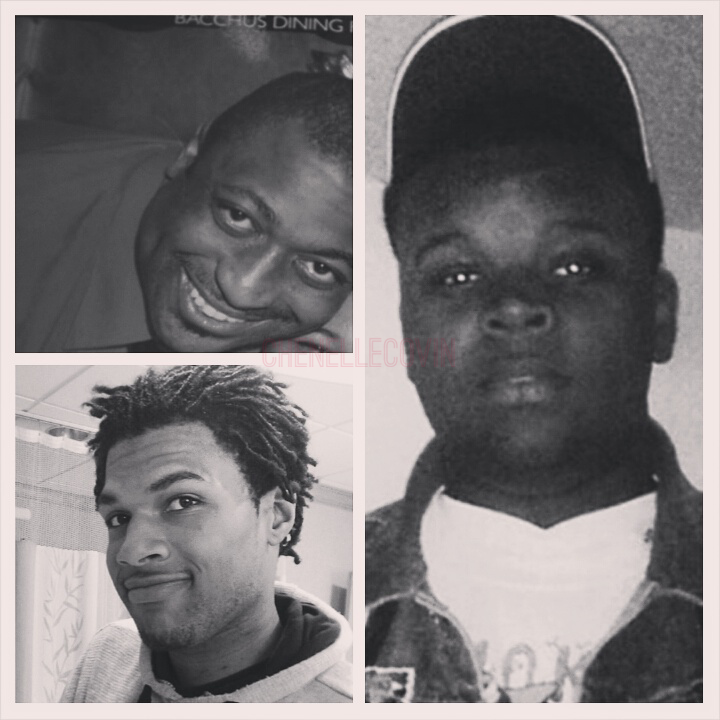

According to a new research study, there is racial bias in police shootings indicating Black people are more than twice as likely as their white American counterparts to be unarmed when they’re shot and killed by police.
Study on racial bias police shootings
The study published in the Criminology & Public Policy journal finds that racial bias is a contributing factor in police shootings.
While this topic has been a long standing debate between the community and police departments, and lack of data has made it difficult to justify, the journal was able to put the pieces together in a detailed research to determine racial bias.
To determine whether racial bias could account for the discrepancy, Justin Nix, lead study author and assistant professor at the University of Louisville, analyzed 900 fatal police shootings that occurred in 2015, collected from The Washington Post’s two-year-old database of fatal police shootings
Analyzed fatal shootings
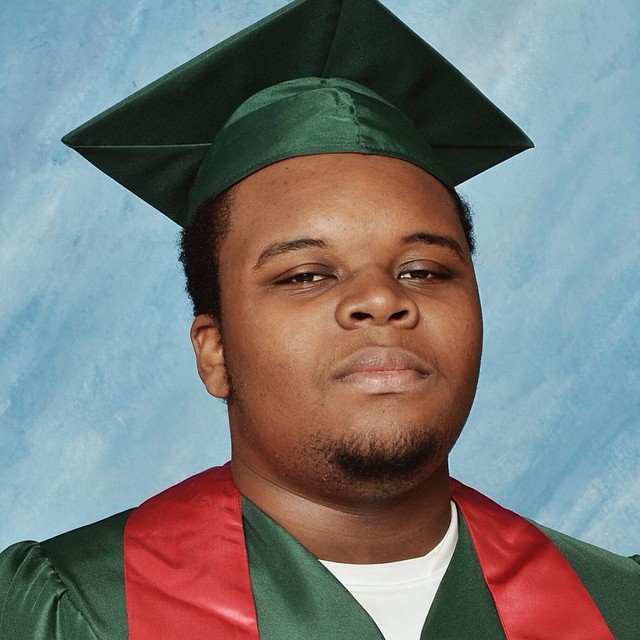
Michael Brown
There is no government database on police shootings, so Justin Nix had to rely on the Washington Post’s impressive database on it. State and local jurisdictions aren’t required to collect information about officer-involved shootings, and they’re also not required to submit that information to the federal government if they do track it. Non-fatal officer-involved shootings are particularly difficult to study.
Because there’s no solid national database on police shootings, racial bias has been measured using lab simulations to test officers in hypothetical scenarios ― something researchers want to move beyond to determine whether racial discrimination is a factor in police shootings in the real world.
In his analysis, Nix found that even after controlling for factors such as age, mental illness, region, crime rate in that jurisdiction and city size, Black citizens shot and killed by police were still more likely to be unarmed than citizens of other racial groups.
“Long story short, we think some of these findings are suggestive of implicit bias,” Nix said.
Nix also stressed that his work has limitations. Moreover that implicit racial bias isn’t the only possible explanation for racial disparities in fatal police shooting.
Read More on The Huffington Post
Discover more from Unheard Voices Magazine®
Subscribe to get the latest posts sent to your email.










NAACP launches National Black Man Voter Day with week of action aimed at mobilizing 100,000 Black men

Former NFL defensive end Allen Bailey dies at 37

University of Maryland Tennis Club issues public apology after racist imagery sparks backlash

Mississippi Attorney General says officer was justified in shooting that killed 1‑year‑old Kohen Wiley

Police veteran begins rare cancer fight after pleomorphic sarcoma diagnosis

VP of Detroit funeral home found dead days after family said mother was mistakenly cremated

Black Aerospace Professionals Development Director Haifa Baptiste dies in Costa Rica flash flood

Mississippi police make second arrest in death of Black woman found hanging from tree

Justice for Nolan Wells Reward Fund raises $300k

California couple welcomes rare mixed triplets weighing 19 pounds total, nearly breaking world record

Woody Shaw’s Avant‑Garde ‘Song of Songs’ returns to vinyl after 50 years through Jazz Dispensary’s Top Shelf Series

Kansas City’s Copper Boyz Ranch provides youth violence‑prevention through horsemanship

Nolan Wells’ family demands ‘thorough’ investigation: “What we’ve been told does not make sense”

Peabo Bryson, Grammy‑winning voice behind two Disney classics, dies at 75

OWN greenlights first-ever ‘Belle Collective’ spinoff Belle Collective: Birmingham





-

 In Memoriam2 weeks ago
Boston rapper Rahim “V Knuckles” Muhammad dies at 46 after fight with brain cancer
-
 In Memoriam2 weeks ago
Major Jewel McDonald, oldest known living man in the U.S., dies at 110
-

 New Jersey2 weeks ago
New Jersey mom demands answers after 4‑year‑old son died at daycare
-
 In Memoriam2 weeks ago
Curtis Flowers, Mississippi man wrongfully convicted after being tried for the same killings 6 times, dies at 56
-

 Real Voices2 weeks ago
Woman dies after stopping to help trapped driver of flipped car on interstate
-

 Health & Wellness2 weeks ago
Teen brother to donate lifesaving bone marrow to younger sister battling sickle cell
-
 Culture2 weeks ago
Black Public Media to premiere “The Morgue Twins,” spotlighting twin NYC mortuary technicians
-
 Police2 weeks ago
Dr. Anita Allen makes history as the first Black woman police chief in a Metro Atlanta city