
Police
NYPD to implement body cams on all 23,000 officers by 2019
The New York Police Department says it plans to implement body cameras to all 23,000 of its officers by 2019 rolling out a large program effort.

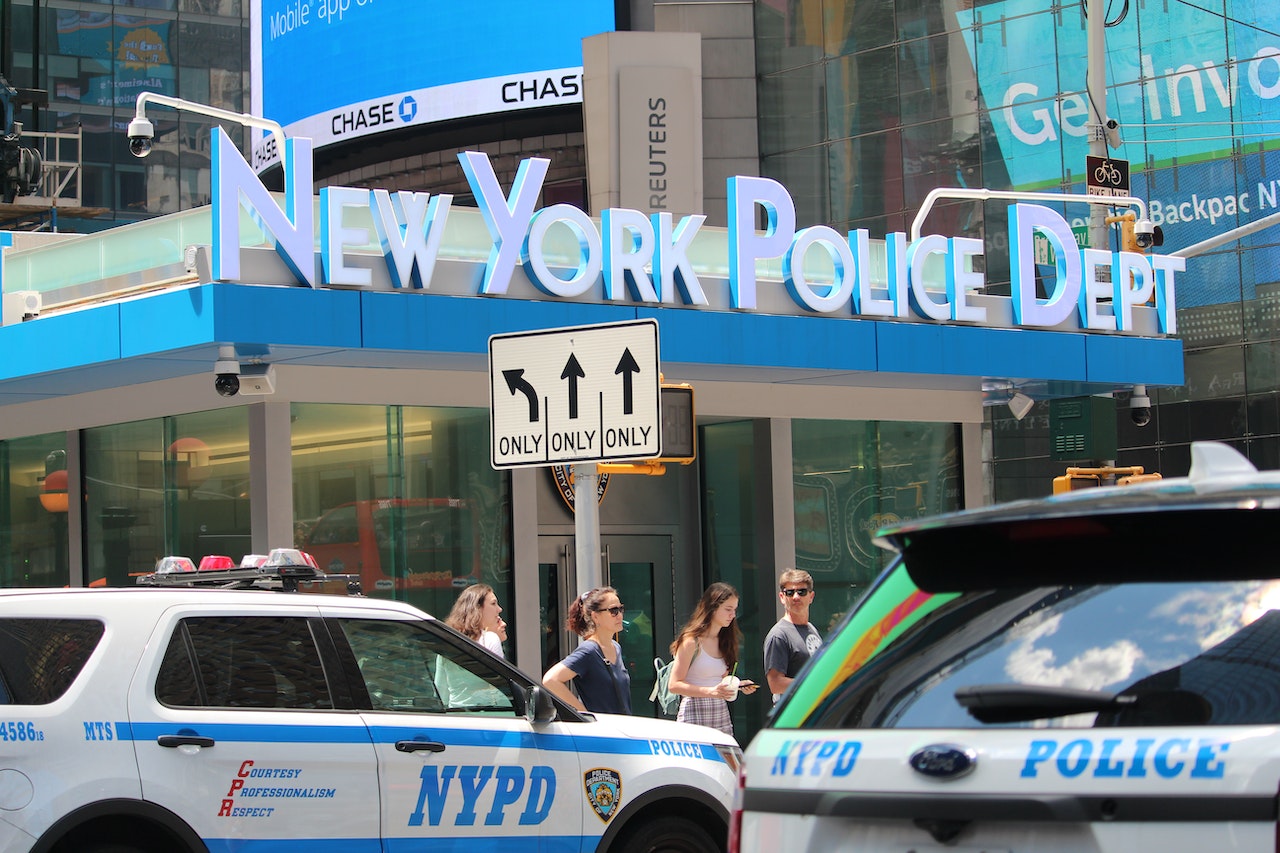

The NYPD says it plans to implement body cameras to all 23,000 of its officers by 2019.
New York, one of the largest cities in the country, lags behind other cities as they have limited experience and zero cameras are currently in place.
NYPD body cameras
NYC Mayor Bill de Blasio says his body camera plan, announced during a proposed labor deal last month with the police officer’s union, is critical to restoring trust between officers and the communities they serve, “creating an atmosphere of transparency and accountability for the good of all.”
NBC reports:
A federal judge ordered the NYPD to try out body cameras as part of a 2013 ruling that found the department was wrongly targeting minorities with its stop and frisk tactic. The 2014 killing of Michael Brown, in Ferguson, Missouri, and other deaths at the hands of police around the U.S. led to increased demands that officers be issued wearable cameras to deter misconduct and document shootings and other clashes.
In New York, the nation’s largest police department has only experimented with the cameras on small scale, starting with a 54-camera pilot program that ended last March. The larger roll-out, part of the federal order, began in earnest at the end of 2014 following the end of court appeals. The aim is to have 1,000 cameras deployed to 20 precincts around the city this year. About 5,000 cameras would be deployed by 2018.
Installation
The department plans to install the cameras and use lessons learned on the ground to modify the program as needed. Some of the largest challenges are storage and access – when are officers allowed to turn the camera on and off, and who gets access to that footage.
“There are strong privacy interests to be considered in what is recorded and whether body camera footage is publicly disclosed,” said Lawrence Byrne, the department’s deputy commissioner for legal matters.
But the body cameras won’t solve a police department’s problems, they’ll only help reveal them, said Frank Merenda, a former NYPD captain who is now an assistant professor of criminal justice at Marist College. He said there should be as much effort put toward new policing efforts as there is in implementing the cameras to officers across the nation.
“You don’t want to just shine a light on these problems; you want to solve them, too.”
Discover more from Unheard Voices Magazine®
Subscribe to get the latest posts sent to your email.











Family of Cal State Fullerton student who died at unaffiliated fraternity event pushes for safety reform

Wisconsin’s Romey drops new sports anthem “W’S UP (Red & White Anthem)”

Former Baltimore State’s Attorney Marilyn Mosby’s mortgage fraud conviction formally dismissed

Clark Atlanta senior dies after driver going 94.4 MPH crashes into her car

Newly released phone records reveal how Nolan Wells’ friends privately discussed his death

VP of Detroit funeral home found dead days after family said mother was mistakenly cremated

Black Aerospace Professionals Development Director Haifa Baptiste dies in Costa Rica flash flood

Mississippi police make second arrest in death of Black woman found hanging from tree

Sister Betsy Jean Farrakhan, eldest daughter of Minister Louis Farrakhan, dies

Justice for Nolan Wells Reward Fund raises $300k

Woody Shaw’s Avant‑Garde ‘Song of Songs’ returns to vinyl after 50 years through Jazz Dispensary’s Top Shelf Series

Kansas City’s Copper Boyz Ranch provides youth violence‑prevention through horsemanship

Nolan Wells’ family demands ‘thorough’ investigation: “What we’ve been told does not make sense”

Peabo Bryson, Grammy‑winning voice behind two Disney classics, dies at 75

OWN greenlights first-ever ‘Belle Collective’ spinoff Belle Collective: Birmingham





-
 Social Justice1 week ago
Justice for Nolan Wells Reward Fund raises $300k
-
 Culture1 week ago
Buried history: Documentary uncovers Black slave cemetery hidden under Staten Island shopping center
-
Social Justice2 weeks ago
Atlanta University Center students marched to demand justice for Nolan Wells
-

 Black and Missing1 week ago
What happened to Chantel Brooks? Police, family continue to seek answers for woman missing since July
-
 Crime & Justice2 weeks ago
Former Sheriff’s Deputy found not guilty of manslaughter in fatal shooting of Airman Roger Fortson
-
 Social Justice1 week ago
Nolan Wells’ family, national leaders renew call for federal investigation into teen’s death
-
 Crime & Justice2 weeks ago
Former police officer Amber Guyger granted parole 7 years after conviction for murder of Botham Jean
-

 Health & Wellness2 weeks ago
Naomi Whitehead, America’s oldest living person, celebrates her 116th birthday