
Health & Wellness
November Is Diabetes Awareness Month: What You Need to Know About Symptoms, Prevention, and Support
Diabetes affects over 37 million Americans. Yet many remain unaware of its symptoms, risks, and support options.

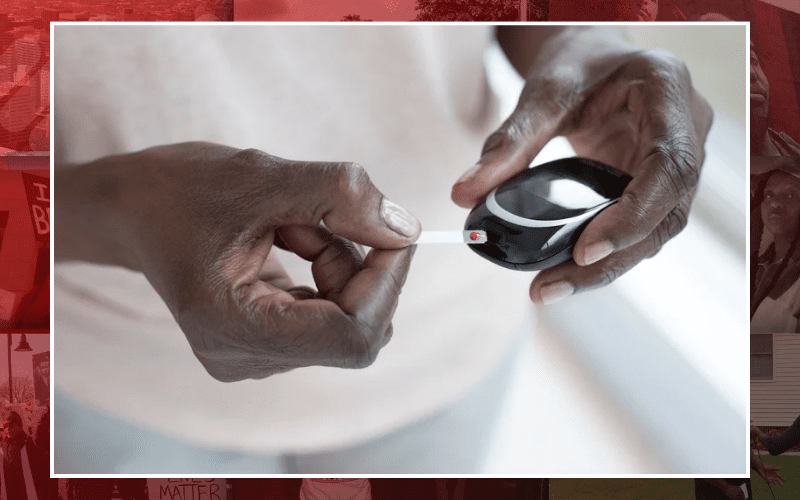

November is Diabetes Awareness Month, and diabetes affects over 37 million Americans. Yet many remain unaware of its symptoms, risks, and support options. Raising awareness can save lives and reduce long-term complications.
What Is Diabetes?
Diabetes is a chronic condition that affects how your body processes blood sugar. It occurs when insulin production or use is impaired. Without proper insulin function, glucose builds up in the bloodstream and damages organs over time.
There are two main types:
- Type 1: An autoimmune condition that usually begins in childhood.
- Type 2: A lifestyle-related condition that develops gradually, often in adulthood.
Gestational diabetes also affects pregnant women and increases future risk for both mother and child.
Preventative Measures That Work
You can reduce your risk of type 2 diabetes with simple lifestyle changes:
- Eat a balanced diet rich in whole grains, vegetables, and lean proteins.
- Exercise regularly—aim for 30 minutes most days.
- Maintain a healthy weight and monitor your blood pressure.
- Avoid smoking and limit alcohol intake.
- Get screened if you have a family history or other risk factors.
The CDC’s Diabetes Prevention Program offers free or low-cost coaching nationwide.
How Diabetes Disproportionately Affects Black Americans
Black Americans face higher rates of diabetes and more severe complications. According to the CDC and the U.S. Office of Minority Health:
- 13% of Black adults have been diagnosed diabetes—24% higher than the general population.
- Black Americans are 2.2 times more likely to develop end-stage kidney disease due to diabetes.
- Diabetes-related death rates are 40% higher among Black adults.
- Preventive care gaps persist: Black patients are less likely to receive annual eye exams, foot checks, or A1c tests.
Social factors play a major role. Limited access to healthy food, safe exercise spaces, and affordable care contribute to these disparities. Chronic stress and discrimination also affect blood sugar control and mental health. However, advocacy and resilience improve outcomes.
Symptoms and Warning Signs
Many people don’t realize they have diabetes until complications arise. Watch for these signs:
- Excessive thirst and frequent urination
- Unexplained weight loss
- Fatigue and irritability
- Blurry vision
- Slow-healing sores
- Frequent infections
Type 1 symptoms appear quickly. Type 2 symptoms develop slowly and may go unnoticed. If you notice these signs, contact your doctor.
Managing Diabetes and Finding Support
Managing diabetes involves daily care and long-term planning. Key strategies include:
- Monitoring blood sugar with a glucose tracker
- Taking prescribed medications consistently
- Following a meal plan tailored to your needs
- Staying active and reducing stress
- Attending regular checkups and screenings
Support systems matter. The American Heart Association’s FindHelp tool connects you to local resources. Local programs and peer groups offer emotional support and practical advice.
Real stories. Real impact. Straight to your inbox. Join thousands others. Click here to subscribe to our newsletter today!
Follow us on Facebook, X, TikTok, Instagram










Memphis man sues city, police over photo taken of his deceased mother

Asbury Park High School: History Seminar

New Jersey police reach $4 million settlement with children of woman killed by ex-husband, a former police officer

Druski new parody mocking conservative women sparks debate

Detroit man convicted of sexually assaulting, killing teen found dead in prison 2 weeks after sentencing

Kendrick Johnson’s parents file $10B lawsuit against federal judges

GoFundMe launched after Alabama mother is fatally shot by husband hours after giving birth

Shaquille O’Neal pays for funeral costs for 12‑year‑old Jada West, Georgia officials say

Family demands justice after Baltimore County man dies after being punched by police officer in violent encounter
New Jersey police reach $4 million settlement with children of woman killed by ex-husband, a former police officer

OWN greenlights first-ever ‘Belle Collective’ spinoff Belle Collective: Birmingham

Hazel Scott’s legacy returns to Harlem in free outdoor film screening

Olympic Gymnast Frederick Richard sets world record, raises $50K for Ugandan youth

Renee Ferguson, trailblazing investigative journalist, dies at 75

“AfroPoP Digital Shorts” returns to the land with “Sweet Samara,” climate and abolitionist film




-
 Community2 weeks ago
Shaquille O’Neal pays for funeral costs for 12‑year‑old Jada West, Georgia officials say
-
 Social Justice3 days ago
New Jersey police reach $4 million settlement with children of woman killed by ex-husband, a former police officer
-

 Education1 week ago
Asbury Park High School: Crossover event esports and history with Tina Watson
-
 Social Justice5 days ago
Jury awards California woman $15 million after supervisor called her n-word
-

 Culture2 weeks ago
Wu‑Tang Clan concert film to screen at The Pinhook as part of Wu‑Tang Wednesday Series
-
 Social Justice7 days ago
Family pleads for Trump’s help bringing severely ill son home from Chinese prison
-
 Crime & Justice4 days ago
Detroit man convicted of sexually assaulting, killing teen found dead in prison 2 weeks after sentencing
-
 Culture3 days ago
Druski new parody mocking conservative women sparks debate
-
 Social Justice2 weeks ago
DOJ moves to dismiss criminal case against ex-officers charged for role in Breonna Taylor’s death
-

 Culture6 days ago
OWN’s Belle Collective Birmingham to premiere April 10