
Health & Wellness
Teen faces life‑changing brain surgery in fight against severe epilepsy
His seizures strike every 1.5 to 2 hours, interrupting daily routines and limiting his independence.

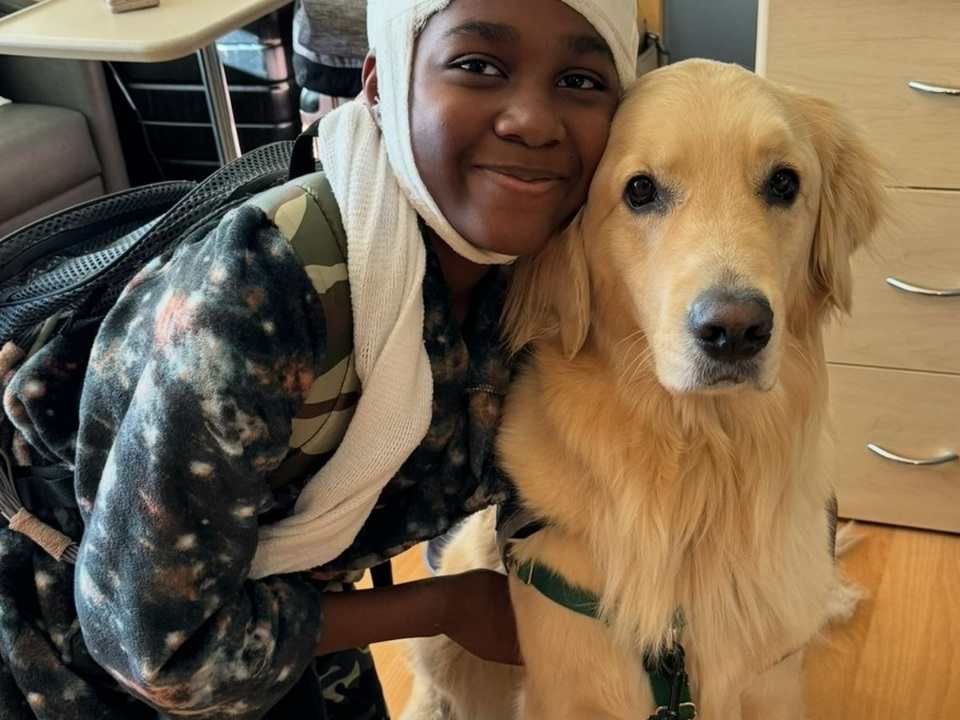

Daryien, a bright 13‑year‑old, is preparing for major brain surgery after years of battling intractable left frontal lobe epilepsy.
A Family Confronts a Difficult Medical Crossroads
His seizures strike every 1.5 to 2 hours, interrupting daily routines and limiting his independence. His family says the surgery offers his only real chance at a safer, more stable life.
Doctors recommended a frontal lobe resection after multiple medications failed to control his seizures. The procedure could reduce or eliminate the episodes, but it also brings uncertainty and a long recovery.
A Childhood Interrupted by Constant Seizures
Daryien’s mother says epilepsy has reshaped nearly every part of his life. He cannot shower alone, sleep without supervision, or ride a bike safely. Even simple moments require vigilance.
Despite these challenges, he remains hopeful. He dreams of returning to the activities he loves, including:
- Running track
- Coding
- Writing stories
He often talks about wanting to “just be a kid again” without the fear of sudden seizures.
Understanding Frontal Lobe Seizures
Mayo Clinic reports frontal lobe seizures begin in the brain’s frontal lobe, which controls movement, behavior, and decision‑making. These seizures are often brief, sometimes lasting less than 30 seconds, and may include unusual movements or vocalizations. They can also be mistaken for sleep disorders because they frequently occur at night.
Common symptoms include:
- head and eye deviation
- trouble speaking
- sudden screams or laughter
- repetitive movements such as rocking or bicycle‑pedaling.
These seizures may cluster and can appear as bizarre behavior, making diagnosis difficult.
When medications fail to control them, surgery becomes an option. Doctors may recommend removing the seizure‑origin area to reduce or stop the episodes.
Surgery Offers Hope but Brings New Challenges
The upcoming operation represents a turning point. It could give Daryien a future with fewer medical emergencies and more independence. However, the family says the decision has been “the hardest thing we have ever faced.”
They describe the emotional weight of choosing brain surgery for a child, along with the financial strain of:
- Growing medical bills
- Ongoing therapy
- Lost income during recovery
His mother says they are preparing for a long healing process, both physically and emotionally.
Community Support Grows as Surgery Nears
A GoFundMe campaign created by the family highlights the urgency of the moment. They say donations will help ensure Daryien receives the care he needs during and after surgery. Supporters have rallied around the teen, offering encouragement as he prepares for a life‑changing procedure.
“Your support would mean the world to us,” his mother wrote. “We want to give Daryien the best possible chance at a seizure‑free future.”
To learn more or donate, visit the verified GoFundMe.
Discover more from Unheard Voices Magazine®
Subscribe to get the latest posts sent to your email.










NAACP launches National Black Man Voter Day with week of action aimed at mobilizing 100,000 Black men

Former NFL defensive end Allen Bailey dies at 37

University of Maryland Tennis Club issues public apology after racist imagery sparks backlash

Mississippi Attorney General says officer was justified in shooting that killed 1‑year‑old Kohen Wiley

Police veteran begins rare cancer fight after pleomorphic sarcoma diagnosis

VP of Detroit funeral home found dead days after family said mother was mistakenly cremated

Black Aerospace Professionals Development Director Haifa Baptiste dies in Costa Rica flash flood

Mississippi police make second arrest in death of Black woman found hanging from tree

Justice for Nolan Wells Reward Fund raises $300k

California couple welcomes rare mixed triplets weighing 19 pounds total, nearly breaking world record

Woody Shaw’s Avant‑Garde ‘Song of Songs’ returns to vinyl after 50 years through Jazz Dispensary’s Top Shelf Series

Kansas City’s Copper Boyz Ranch provides youth violence‑prevention through horsemanship

Nolan Wells’ family demands ‘thorough’ investigation: “What we’ve been told does not make sense”

Peabo Bryson, Grammy‑winning voice behind two Disney classics, dies at 75

OWN greenlights first-ever ‘Belle Collective’ spinoff Belle Collective: Birmingham





-

 In Memoriam2 weeks ago
Boston rapper Rahim “V Knuckles” Muhammad dies at 46 after fight with brain cancer
-

 In Memoriam2 weeks ago
Major Jewel McDonald, oldest known living man in the U.S., dies at 110
-

 New Jersey2 weeks ago
New Jersey mom demands answers after 4‑year‑old son died at daycare
-

 In Memoriam2 weeks ago
Curtis Flowers, Mississippi man wrongfully convicted after being tried for the same killings 6 times, dies at 56
-

 Real Voices2 weeks ago
Woman dies after stopping to help trapped driver of flipped car on interstate
-

 Health & Wellness2 weeks ago
Teen brother to donate lifesaving bone marrow to younger sister battling sickle cell
-

 Culture2 weeks ago
Black Public Media to premiere “The Morgue Twins,” spotlighting twin NYC mortuary technicians
-

 Police2 weeks ago
Dr. Anita Allen makes history as the first Black woman police chief in a Metro Atlanta city