
Health & Wellness
7 symptoms that signal stress and how to respond
Whether you’re juggling deadlines or navigating personal challenges, recognizing stress symptoms early helps protect your health.

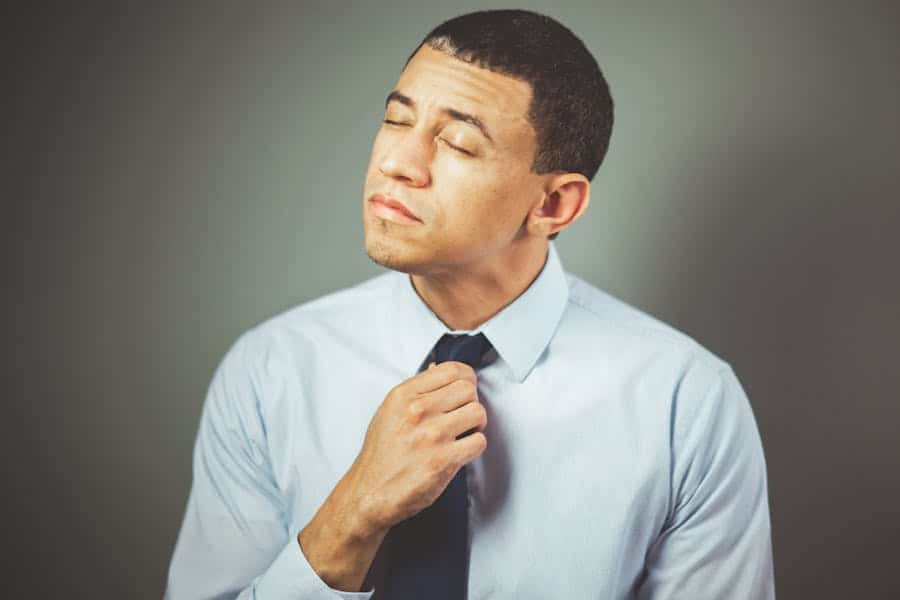

“Take care of yourself—don’t let stress get the best of you.” I heard that often growing up. Now, as a father and an adult, I understand how true it is. Managing stress isn’t just about staying calm, it’s about protecting your body, your relationships, and your ability to show up for the people who count on you.
7 Symptoms That Signal Stress
Stress doesn’t just shift your mood, it rewires how your body reacts and how you move through the day. Whether you’re racing toward deadlines or navigating personal challenges, spotting the signs early helps you stay grounded and healthy.
Below are seven common signs of stress, each backed by medical insight and practical advice, according to Mayo Clinic.
1. Muscle Tension and Pain
Stress often causes muscles to tighten, especially in the neck, shoulders, and back. This tension can lead to chronic pain or headaches. To ease discomfort, try stretching, massage therapy, or short walks throughout the day.
2. Stress Symptoms: Sleep Disturbances
Trouble falling asleep or waking frequently may signal stress. Overthinking and racing thoughts disrupt rest. Establish a calming bedtime routine and limit screen time before sleep.
3. Digestive Issues
Stress can upset your stomach, causing nausea, cramps, or changes in bowel habits. These symptoms may mimic other conditions, so consult a doctor if they persist. Meanwhile, eat balanced meals and stay hydrated.
4. Stress symptoms: Changes in Appetite
Stress may cause overeating or loss of appetite. Emotional eating often leads to weight gain and fatigue. Keep healthy snacks nearby and schedule regular meals to stabilize your energy.
5. Irritability and Mood Swings
Sudden anger or sadness can stem from stress. These shifts affect relationships and decision-making. Journaling, deep breathing, or talking with a trusted friend can help regulate emotions.
6. Difficulty Concentrating
Stress clouds focus and memory. You may forget tasks or struggle to complete them. Break projects into smaller steps and take short breaks to reset your mind.
7. Fatigue
Even after rest, stress can leave you drained. Your body works harder under pressure, depleting energy. Prioritize sleep, reduce caffeine, and practice mindfulness to recharge.
Final Thoughts
Stress is a natural response, but chronic symptoms deserve attention. By identifying these signs early, you can take steps to restore balance. From muscle tension to mood swings, each symptom offers a clue—and a chance to intervene.
I manage stress by moving my body. Exercise clears my mind and helps me release the tension I carry. With three young children, staying healthy isn’t optional, it’s essential. Taking care of myself means I can show up fully for them. Your well-being matters too, make it a priority.
Discover more from Unheard Voices Magazine®
Subscribe to get the latest posts sent to your email.








NAACP launches National Black Man Voter Day with week of action aimed at mobilizing 100,000 Black men

Former NFL defensive end Allen Bailey dies at 37

University of Maryland Tennis Club issues public apology after racist imagery sparks backlash

Mississippi Attorney General says officer was justified in shooting that killed 1‑year‑old Kohen Wiley

Police veteran begins rare cancer fight after pleomorphic sarcoma diagnosis

VP of Detroit funeral home found dead days after family said mother was mistakenly cremated

Black Aerospace Professionals Development Director Haifa Baptiste dies in Costa Rica flash flood

Mississippi police make second arrest in death of Black woman found hanging from tree

Justice for Nolan Wells Reward Fund raises $300k

California couple welcomes rare mixed triplets weighing 19 pounds total, nearly breaking world record

Woody Shaw’s Avant‑Garde ‘Song of Songs’ returns to vinyl after 50 years through Jazz Dispensary’s Top Shelf Series

Kansas City’s Copper Boyz Ranch provides youth violence‑prevention through horsemanship

Nolan Wells’ family demands ‘thorough’ investigation: “What we’ve been told does not make sense”

Peabo Bryson, Grammy‑winning voice behind two Disney classics, dies at 75

OWN greenlights first-ever ‘Belle Collective’ spinoff Belle Collective: Birmingham





-

 In Memoriam2 weeks ago
Boston rapper Rahim “V Knuckles” Muhammad dies at 46 after fight with brain cancer
-

 In Memoriam2 weeks ago
Major Jewel McDonald, oldest known living man in the U.S., dies at 110
-

 In Memoriam2 weeks ago
Curtis Flowers, Mississippi man wrongfully convicted after being tried for the same killings 6 times, dies at 56
-

 New Jersey2 weeks ago
New Jersey mom demands answers after 4‑year‑old son died at daycare
-

 Real Voices2 weeks ago
Woman dies after stopping to help trapped driver of flipped car on interstate
-
 Culture2 weeks ago
Black Public Media to premiere “The Morgue Twins,” spotlighting twin NYC mortuary technicians
-

 Health & Wellness2 weeks ago
Teen brother to donate lifesaving bone marrow to younger sister battling sickle cell
-
 Police2 weeks ago
Dr. Anita Allen makes history as the first Black woman police chief in a Metro Atlanta city