
Social Justice
Sean Grayson, former Illinois Deputy convicted in Sonya Massey killing, dies at 32
Sean Grayson, the former Sangamon County sheriff’s deputy convicted of second‑degree murder in the 2024 killing of Sonya Massey, died at 32.

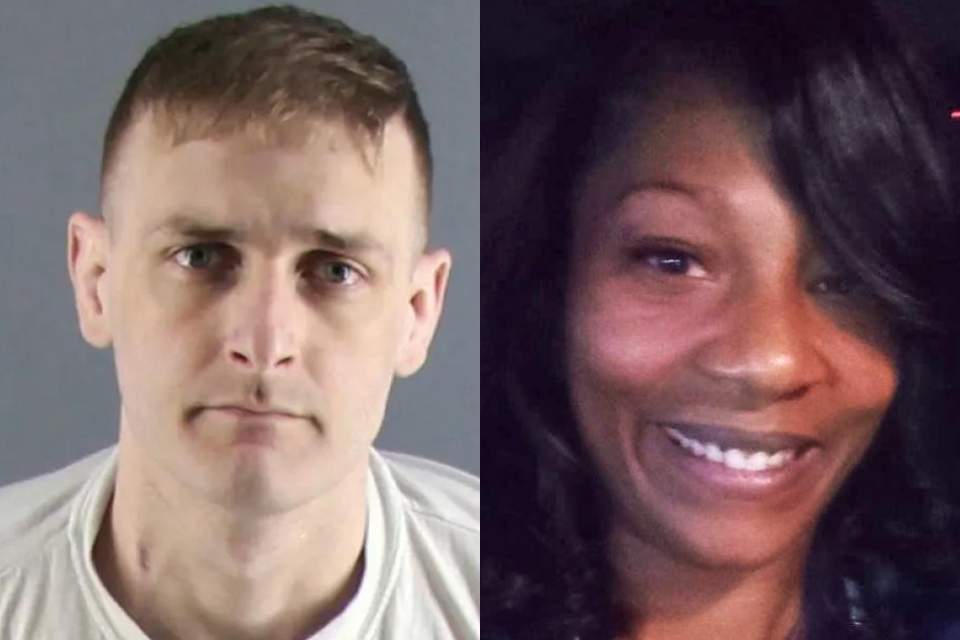

Sean Grayson, the former Sangamon County, Ill. sheriff’s deputy convicted of second‑degree murder in the 2024 killing of Sonya Massey, died Sunday while serving a 20‑year sentence, his attorney confirmed. He was 32.
Sean Grayson Dies Six Months Into 20‑Year Sentence
Officials have not released a cause of death. However, his attorneys previously said Grayson had advanced Stage 4 colon cancer that had spread to his liver, lungs and rectum. His condition worsened through the summer, and he sought medical release under Illinois’ Joe Coleman Act, which allows terminally ill prisoners to request early release. The Illinois Prisoner Review Board denied his request in July.
Sonya Massey Called 911 for Help
Massey, 36, called 911 shortly before 1 a.m. on July 6, 2024, reporting a possible prowler outside her Springfield home. Grayson and another deputy, Dawson Farley, responded. Body‑camera video from Farley showed Massey apologizing, crouching, and appearing frightened as she stood in her kitchen as deputies asked for her identification.
The situation escalated when Grayson ordered her to remove a pot of hot water from the stove. Massey lifted the pot to move it as requested and said, “I rebuke you in the name of Jesus.” Grayson threatened to shoot her if she did not comply. Massey apologized and ducked behind a counter. Moments later, he fired three rounds, striking her in the face. Massey died at St. John’s Hospital in Springfield. Massey was unarmed.
Farley testified he never saw Massey as a threat and only drew his weapon because Grayson did. Prosecutors said Massey’s final words were “I’m sorry,” moments before Grayson shot her.
Conviction Followed Public Outrage
The shooting sparked protests across Illinois and drew national attention to police‑use‑of‑force failures. Grayson was fired after the shooting and initially charged with first‑degree murder. A Peoria County jury convicted him of second‑degree murder last October.
During the trial, Grayson claimed he feared Massey would throw the boiling water at him. However, prosecutors argued Massey posed no threat, and Farley testified he feared Grayson more than Massey. Judge Ryan Cadagin sentenced Grayson to the maximum 20 years in January.
Grayson Diagnosed with Cancer
Grayson entered prison in January and began cancer treatment soon after. His attorneys said his condition was “irreversible and incurable,” and a medical evaluator predicted he had less than 18 months to live.
Despite his diagnosis, state officials argued his illness did not eliminate the danger he posed. Massey’s family also opposed his release. The Prisoner Review Board voted 3‑0 to keep him in custody.
Family Responds to Grayson’s Death
Massey’s family said in a statement through their attorneys that Grayson’s death “does not bring Sonya back,” emphasizing that the injustice of her killing remains.
“We wish his family prayers of peace, as we do for all who grieve a loved one. Sonya’s family knows that pain all too well and will grieve her loss the rest of their days.”
In 2025, Sangamon County, IL officials settled with the family of Sonya Massey for $10 million.
Illinois lawmakers later passed the Sonya Massey Act, requiring law enforcement agencies to closely review an applicant’s previous employment records before hiring an officer.
The Justice Department also opened a civil rights investigation after Massey’s death. The investigation led to an agreement with Sangamon County, its sheriff’s office and other agencies requiring changes to policing and emergency response. Those changes included
- additional training for interactions with people with behavioral health disabilities
- development of a mobile crisis response program.
Civil rights advocates said Massey “should be alive today” and urged continued focus on police accountability.
Discover more from Unheard Voices Magazine®
Subscribe to get the latest posts sent to your email.









Curtis Flowers, Mississippi man wrongfully convicted after being tried for the same killings 6 times, dies at 56

Woman dies after stopping to help trapped driver of flipped car on interstate

Boston rapper Rahim “V Knuckles” Muhammad dies at 46 after fight with brain cancer

Major Jewel McDonald, oldest known living man in the U.S., dies at 110

Dr. Anita Allen makes history as the first Black woman police chief in a Metro Atlanta city

Strangers raise $10,000 in 48 hours for Las Vegas piano tuner after viral video

VP of Detroit funeral home found dead days after family said mother was mistakenly cremated

Kitchen + Kocktails by Kevin Kelley to open 10,000‑square‑foot Times Square restaurant on Oct. 3

Black Aerospace Professionals Development Director Haifa Baptiste dies in Costa Rica flash flood

Mississippi police make second arrest in death of Black woman found hanging from tree

Woody Shaw’s Avant‑Garde ‘Song of Songs’ returns to vinyl after 50 years through Jazz Dispensary’s Top Shelf Series

Kansas City’s Copper Boyz Ranch provides youth violence‑prevention through horsemanship

Nolan Wells’ family demands ‘thorough’ investigation: “What we’ve been told does not make sense”

Peabo Bryson, Grammy‑winning voice behind two Disney classics, dies at 75

OWN greenlights first-ever ‘Belle Collective’ spinoff Belle Collective: Birmingham





-
 In Memoriam2 weeks ago
VP of Detroit funeral home found dead days after family said mother was mistakenly cremated
-

 Health & Wellness2 weeks ago
California couple welcomes rare mixed triplets weighing 19 pounds total, nearly breaking world record
-
 Culture3 days ago
Buried history: Documentary uncovers Black slave cemetery hidden under Staten Island shopping center
-

 Social Justice2 weeks ago
White Philadelphia teacher and activist admits to lying about being Black and Palestinian
-

 Social Justice5 days ago
Atlanta University Center students marched to demand justice for Nolan Wells
-
 Social Justice2 weeks ago
Texas woman once sentenced to five years for a voting mistake has her acquittal upheld
-

 Black and Missing4 days ago
What happened to Chantel Brooks? Police, family continue to seek answers for woman missing since July
-
Social Justice3 days ago
Justice for Nolan Wells Reward Fund raises $300k