
In Memoriam
Assata Shakur, political activist and author, dies at 78 in Cuba
Born JoAnne Deborah Byron in Queens, New York, on July 16, 1947, Shakur was raised in segregated Wilmington, North Carolina.

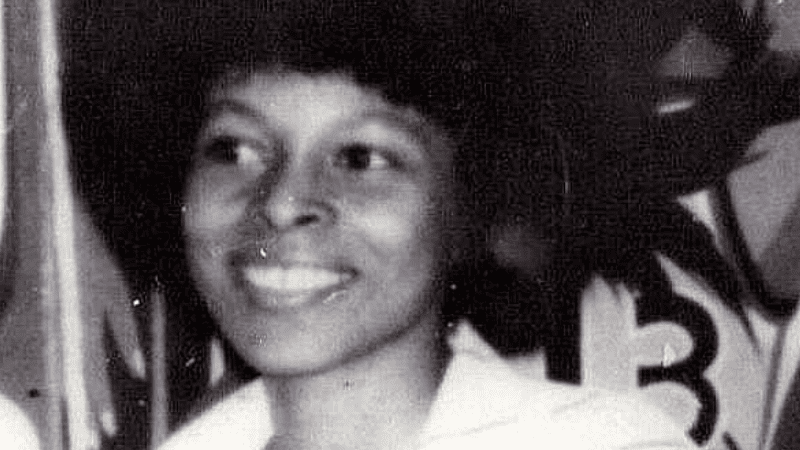

Assata Shakur, a global symbol of Black resistance and political exile, died on September 25, 2025, in Havana, Cuba.
She was 78.
Cuban officials cited age-related health conditions as the cause of death.
Early Life and Political Awakening for Assata Shakur
Born JoAnne Deborah Byron in Queens, New York, on July 16, 1947, Shakur was raised in segregated Wilmington, North Carolina. She returned to New York as a teenager, working low-wage jobs before enrolling in college. A 1964 conversation with African students sparked her political awakening. She later wrote, “Only a fool lets somebody else tell him who his enemy is.”
From Student Activist to Revolutionary
Shakur studied at Borough of Manhattan Community College and City College of New York. She joined the Golden Drums society and advocated for Black studies. In 1967, she married fellow activist Louis Chesimard and divorced three years later. That same year, she joined the Black Panther Party but left due to internal issues and historical gaps.
Assata Shakur: Embracing a New Identity
In 1971, she adopted the name Assata Olugbala Shakur. “Assata” means “she who struggles” in Swahili, “Olugbala” means “love for the people” in Yoruba, and “Shakur” means “the thankful” in Arabic. She joined the Black Liberation Army, a Marxist-Leninist group committed to armed resistance.
Arrest, Conviction, and Escape
Between 1971 and 1973, Shakur faced multiple charges, including robbery and murder. Most were dismissed or acquitted. In 1973, a traffic stop in New Jersey led to a deadly shootout. Trooper Werner Foerster and BLA member Zayd Malik Shakur were killed. Assata Shakur was convicted of Foerster’s murder in 1977 and sentenced to life.
In 1979, BLA members helped her escape from Clinton Correctional Facility. She later surfaced in Cuba, where Fidel Castro’s government granted her asylum.
Life in Exile and Enduring Legacy
Shakur remained in Cuba for over four decades. In 2013, she became the first woman on the FBI’s Most Wanted Terrorists list. Despite controversy, she maintained her innocence and criticized the U.S. justice system.
Her 1987 memoir, Assata: An Autobiography, became a foundational text for activists. It chronicled her experiences with racism, incarceration, and political exile. Her quote, “It is our duty to fight for our freedom,” remains central to modern movements.
Real stories. Real impact. Straight to your inbox. Join thousands others. Click here to subscribe to our newsletter today!
Follow us on Facebook, X, TikTok, Instagram











Memphis man sues city, police over photo taken of his deceased mother

Asbury Park High School: History Seminar

New Jersey police reach $4 million settlement with children of woman killed by ex-husband, a former police officer

Druski new parody mocking conservative women sparks debate

Detroit man convicted of sexually assaulting, killing teen found dead in prison 2 weeks after sentencing

Kendrick Johnson’s parents file $10B lawsuit against federal judges

GoFundMe launched after Alabama mother is fatally shot by husband hours after giving birth

Shaquille O’Neal pays for funeral costs for 12‑year‑old Jada West, Georgia officials say

Family demands justice after Baltimore County man dies after being punched by police officer in violent encounter

12‑year‑old Georgia girl dies after fight outside school bus, family says she was bullied

OWN greenlights first-ever ‘Belle Collective’ spinoff Belle Collective: Birmingham

Hazel Scott’s legacy returns to Harlem in free outdoor film screening

Olympic Gymnast Frederick Richard sets world record, raises $50K for Ugandan youth

Renee Ferguson, trailblazing investigative journalist, dies at 75

“AfroPoP Digital Shorts” returns to the land with “Sweet Samara,” climate and abolitionist film




-
 Community2 weeks ago
Shaquille O’Neal pays for funeral costs for 12‑year‑old Jada West, Georgia officials say
-
 Social Justice3 days ago
New Jersey police reach $4 million settlement with children of woman killed by ex-husband, a former police officer
-

 Education1 week ago
Asbury Park High School: Crossover event esports and history with Tina Watson
-

 Social Justice4 days ago
Jury awards California woman $15 million after supervisor called her n-word
-

 Culture2 weeks ago
Wu‑Tang Clan concert film to screen at The Pinhook as part of Wu‑Tang Wednesday Series
-

 Social Justice7 days ago
Family pleads for Trump’s help bringing severely ill son home from Chinese prison
-
 Crime & Justice4 days ago
Detroit man convicted of sexually assaulting, killing teen found dead in prison 2 weeks after sentencing
-
 Culture3 days ago
Druski new parody mocking conservative women sparks debate
-
 Social Justice2 weeks ago
DOJ moves to dismiss criminal case against ex-officers charged for role in Breonna Taylor’s death
-

 In Memoriam2 weeks ago
In Memoriam: Beloved Showtime at the Apollo co-host Kiki Shepard