
Police
Civil Rights Coalition denounces DOJ dismissal of consent decrees and police investigations
Maya Wiley, president and CEO of The Leadership Conference on Civil and Human Rights met with members of the American Civil Liberties Union (ACLU), League of United Latin American Citizens (LULAC), NAACP, The Legal Defense Fund, and attorneys general Aaron D. Ford (NV), Anthony Brown (MD), Keith Ellison (MN), Kwami Raoul (IL), and Letitia James (NY).

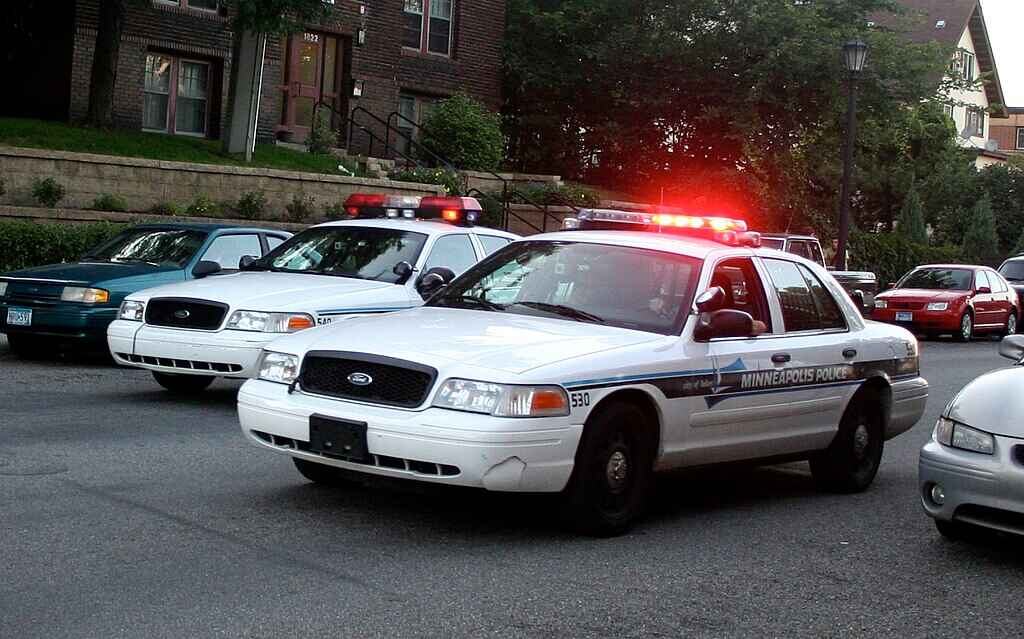

National civil rights advocates and attorney generals from across the country are speaking out against the U.S. Department of Justice’s decision to abandon several high-profile police consent decrees, warning of far-reaching consequences for accountability and public trust.
DOJ withdraws several consent decrees
Last Wednesday, the DOJ announced it would withdraw from proposed consent decrees with the Minneapolis and Louisville police departments, two agencies at the center of public outrage following the deaths of George Floyd and Breonna Taylor.
The agency also said it would close investigations into police departments in Phoenix, Trenton, Memphis, Mount Vernon, Oklahoma City, and the Louisiana State Police.
Civil rights advocates denounce the DOJ actions
In response, on Thursday, May 22, Maya Wiley, president and CEO of The Leadership Conference on Civil and Human Rights, joined forces with leaders from the American Civil Liberties Union (ACLU), League of United Latin American Citizens (LULAC), NAACP, The Legal Defense Fund, and attorneys general Aaron D. Ford (Nevada), Anthony Brown (Maryland), Keith Ellison (Minnesota), Kwame Raoul (Illinois), and Letitia James (New York) in a unified press conference denouncing the DOJ’s action.
Minnesota Attorney General Keith Ellison set the tone, calling the decision “wrong” and “immoral.” His remarks were echoed by fellow leaders who voiced alarm over what they view as a retreat from federal responsibility at a critical juncture for police oversight.
“The Department of Justice has abandoned police reform,” said New York AG Letitia James, underscoring what many in the coalition see as a dangerous shift in the current administration’s commitment to justice.
Speakers at the press conference emphasized that the DOJ’s withdrawal could have a detrimental effect on reform efforts nationwide, particularly in cities like Minneapolis and Louisville, which have faced years of scrutiny over systemic police misconduct and where communities are still grappling with the lasting trauma of Floyd’s and Taylor’s deaths.
What are police consent decrees?
A “police consent decree” is a legally binding agreement, or court-enforced settlement, between a city or state and the US Department of Justice to address alleged violations of the law by a police department.
These decrees are often the result of investigations into police misconduct, such as excessive force or discriminatory policing. They require the police department to implement specific reforms to address the identified issues and ensure compliance with the law.
Some of the agreements required more training for police officers, policy changes to decrease the use of force and a stronger system for citizens to make complaints against officers. It also required that predominately white police departments do more to recruit people of color.
With the recent actions, there is much uncertainty about federal police reform but the coalition pledged to explore alternative paths forward, including state-level oversight and legislative action, to ensure that momentum toward police reform is not lost.
“Even if the Department of Justice refuses to act on civil rights violations, there are attorneys general and mayors who refuse to abandon these efforts to make policing accountable and the civil rights community will continue to call on state and local leaders to pursue their own reforms, hold police departments accountable, and protect their communities from harmful acts.”
“Ending police violence must be a priority. We will not stop fighting for civil rights over wrongs, and we will not be silent in the face of this administration’s assault on all of our rights and freedoms, including the right to be free of abusive policing,” Wiley said.
Discover more from Unheard Voices Magazine®
Subscribe to get the latest posts sent to your email.










NAACP launches National Black Man Voter Day with week of action aimed at mobilizing 100,000 Black men

Former NFL defensive end Allen Bailey dies at 37

University of Maryland Tennis Club issues public apology after racist imagery sparks backlash

Mississippi Attorney General says officer was justified in shooting that killed 1‑year‑old Kohen Wiley

Police veteran begins rare cancer fight after pleomorphic sarcoma diagnosis

VP of Detroit funeral home found dead days after family said mother was mistakenly cremated

Black Aerospace Professionals Development Director Haifa Baptiste dies in Costa Rica flash flood

Mississippi police make second arrest in death of Black woman found hanging from tree

Justice for Nolan Wells Reward Fund raises $300k

California couple welcomes rare mixed triplets weighing 19 pounds total, nearly breaking world record

Woody Shaw’s Avant‑Garde ‘Song of Songs’ returns to vinyl after 50 years through Jazz Dispensary’s Top Shelf Series

Kansas City’s Copper Boyz Ranch provides youth violence‑prevention through horsemanship

Nolan Wells’ family demands ‘thorough’ investigation: “What we’ve been told does not make sense”

Peabo Bryson, Grammy‑winning voice behind two Disney classics, dies at 75

OWN greenlights first-ever ‘Belle Collective’ spinoff Belle Collective: Birmingham





-

 In Memoriam2 weeks ago
Boston rapper Rahim “V Knuckles” Muhammad dies at 46 after fight with brain cancer
-
 In Memoriam2 weeks ago
Major Jewel McDonald, oldest known living man in the U.S., dies at 110
-
 In Memoriam2 weeks ago
Curtis Flowers, Mississippi man wrongfully convicted after being tried for the same killings 6 times, dies at 56
-

 New Jersey2 weeks ago
New Jersey mom demands answers after 4‑year‑old son died at daycare
-

 Real Voices2 weeks ago
Woman dies after stopping to help trapped driver of flipped car on interstate
-

 Health & Wellness2 weeks ago
Teen brother to donate lifesaving bone marrow to younger sister battling sickle cell
-

 Culture2 weeks ago
Black Public Media to premiere “The Morgue Twins,” spotlighting twin NYC mortuary technicians
-
 Police2 weeks ago
Dr. Anita Allen makes history as the first Black woman police chief in a Metro Atlanta city