
Politics
Maryland to consider slavery reparations
The bill creates a 23‑member voluntary commission to review federal, state and local policies from 1877 to 1965, covering the post‑Reconstruction and Jim Crow eras, and to investigate how public and private institutions benefited from discriminatory practices.

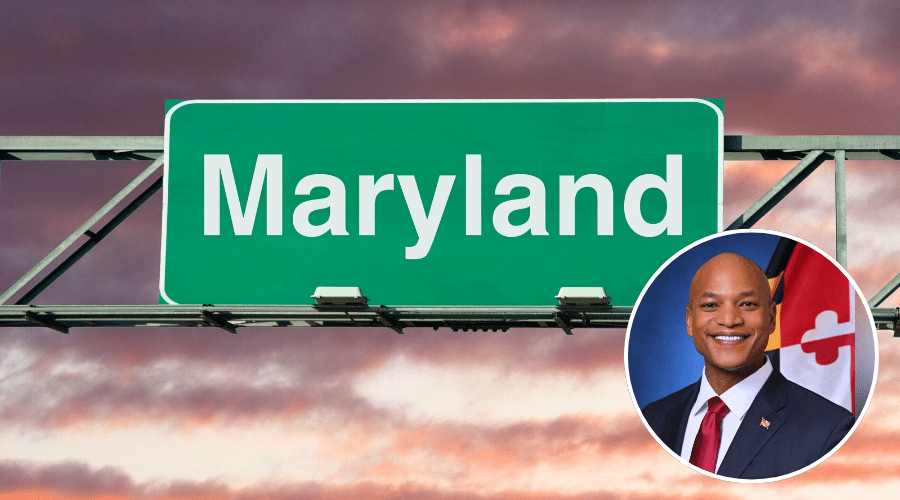

Maryland lawmakers voted Tuesday to override Gov. Wes Moore’s veto and create a commission to study potential reparations for slavery.
State of Maryland to Consider Slavery Reparations
The bill creates a 23‑member voluntary commission to review federal, state and local policies from 1877 to 1965, covering the post‑Reconstruction and Jim Crow eras, and to investigate how public and private institutions benefited from discriminatory practices.
The panel will also examine and recommend appropriate reparation options. These could include:
- official apologies
- monetary compensation
- tax rebates
- debt forgiveness
- tuition waivers
- business incentives
- social service aid
- homeownership support
Legislative Black Caucus Pushes Forward on Maryland Reparations
Initially, Moore vetoed the bill, citing in a statement it was a “difficult decision” but felt there was no longer a need to conduct any more studies on the legacy of slavery, and to “focus on the work itself” to address it.
After his veto was overridden, Moore said that while he disagrees with the legislature’s decision, “I am eager to move forward in partnership on the work of repair that we all agree is an urgent and pressing need.”
“I believe the time for action is now and we must continue moving forward with the work of repair immediately,” Moore said in a statement. “That mission is especially vital given the immediate and ongoing effects of this federal administration on our constituents, including communities that have been historically left behind.”
Meanwhile, the Legislative Black Caucus of Maryland warned that without formal study, critics may dismiss reparations as symbolic or unconstitutional.
“At a time of growing attacks on diversity and equity, today’s action reaffirms our shared commitment to truth-telling, accountability and meaningful progress for Black Marylanders,” the caucus said.
Demographics and Context
Maryland’s Black population accounts for about 30 percent in the state, the highest outside the Deep South.
Support for reparations gained momentum after the 2020 murder of George Floyd by a Minneapolis police officer.
However, the issue remains politically difficult for high-profile Democrats. This comes amid a broader conservative backlash over how race, history and inequality are addressed in public institutions.
In 2021, Evanston, Illinois became the first U.S. city to create a reparations plan for its Black residents. The city uses tax revenue from the sale of recreational marijuana.
Real stories. Real impact. Straight to your inbox. Join thousands others. Click here to subscribe to our newsletter today!
Follow us on Facebook, X, TikTok, Instagram










Memphis man sues city, police over photo taken of his deceased mother

Asbury Park High School: History Seminar

New Jersey police reach $4 million settlement with children of woman killed by ex-husband, a former police officer

Druski new parody mocking conservative women sparks debate

Detroit man convicted of sexually assaulting, killing teen found dead in prison 2 weeks after sentencing
Kendrick Johnson’s parents file $10B lawsuit against federal judges

GoFundMe launched after Alabama mother is fatally shot by husband hours after giving birth

Shaquille O’Neal pays for funeral costs for 12‑year‑old Jada West, Georgia officials say

Family demands justice after Baltimore County man dies after being punched by police officer in violent encounter

12‑year‑old Georgia girl dies after fight outside school bus, family says she was bullied

OWN greenlights first-ever ‘Belle Collective’ spinoff Belle Collective: Birmingham

Hazel Scott’s legacy returns to Harlem in free outdoor film screening

Olympic Gymnast Frederick Richard sets world record, raises $50K for Ugandan youth

Renee Ferguson, trailblazing investigative journalist, dies at 75

“AfroPoP Digital Shorts” returns to the land with “Sweet Samara,” climate and abolitionist film




-
 Community2 weeks ago
Shaquille O’Neal pays for funeral costs for 12‑year‑old Jada West, Georgia officials say
-

 Education1 week ago
Asbury Park High School: Crossover event esports and history with Tina Watson
-
 Social Justice2 days ago
New Jersey police reach $4 million settlement with children of woman killed by ex-husband, a former police officer
-
 Social Justice4 days ago
Jury awards California woman $15 million after supervisor called her n-word
-

 Culture2 weeks ago
Wu‑Tang Clan concert film to screen at The Pinhook as part of Wu‑Tang Wednesday Series
-
 Social Justice6 days ago
Family pleads for Trump’s help bringing severely ill son home from Chinese prison
-
 Crime & Justice4 days ago
Detroit man convicted of sexually assaulting, killing teen found dead in prison 2 weeks after sentencing
-
 Culture3 days ago
Druski new parody mocking conservative women sparks debate
-
 Social Justice1 week ago
DOJ moves to dismiss criminal case against ex-officers charged for role in Breonna Taylor’s death
-

 In Memoriam1 week ago
In Memoriam: Beloved Showtime at the Apollo co-host Kiki Shepard