
Politics
Maryland to consider slavery reparations
The bill creates a 23‑member voluntary commission to review federal, state and local policies from 1877 to 1965, covering the post‑Reconstruction and Jim Crow eras, and to investigate how public and private institutions benefited from discriminatory practices.

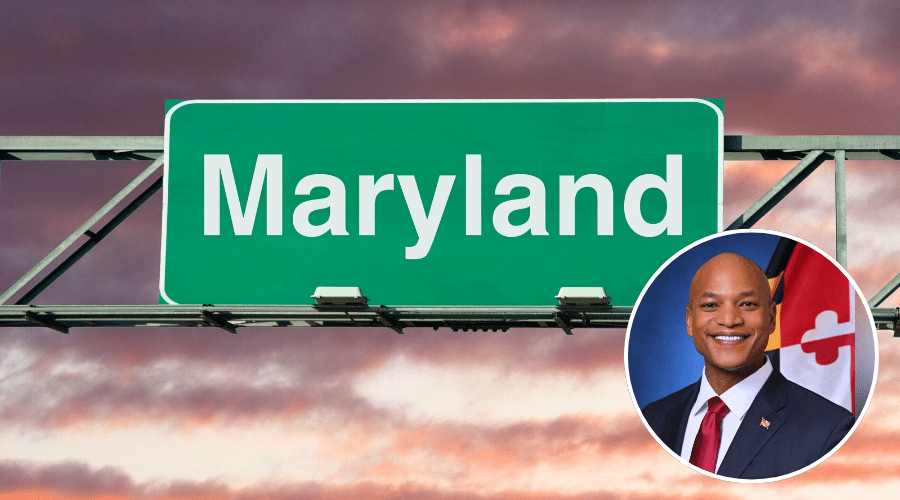

Maryland lawmakers voted Tuesday to override Gov. Wes Moore’s veto and create a commission to study potential reparations for slavery.
State of Maryland to Consider Slavery Reparations
The bill creates a 23‑member voluntary commission to review federal, state and local policies from 1877 to 1965, covering the post‑Reconstruction and Jim Crow eras, and to investigate how public and private institutions benefited from discriminatory practices.
The panel will also examine and recommend appropriate reparation options. These could include:
- official apologies
- monetary compensation
- tax rebates
- debt forgiveness
- tuition waivers
- business incentives
- social service aid
- homeownership support
Legislative Black Caucus Pushes Forward on Maryland Reparations
Initially, Moore vetoed the bill, citing in a statement it was a “difficult decision” but felt there was no longer a need to conduct any more studies on the legacy of slavery, and to “focus on the work itself” to address it.
After his veto was overridden, Moore said that while he disagrees with the legislature’s decision, “I am eager to move forward in partnership on the work of repair that we all agree is an urgent and pressing need.”
“I believe the time for action is now and we must continue moving forward with the work of repair immediately,” Moore said in a statement. “That mission is especially vital given the immediate and ongoing effects of this federal administration on our constituents, including communities that have been historically left behind.”
Meanwhile, the Legislative Black Caucus of Maryland warned that without formal study, critics may dismiss reparations as symbolic or unconstitutional.
“At a time of growing attacks on diversity and equity, today’s action reaffirms our shared commitment to truth-telling, accountability and meaningful progress for Black Marylanders,” the caucus said.
Demographics and Context
Maryland’s Black population accounts for about 30 percent in the state, the highest outside the Deep South.
Support for reparations gained momentum after the 2020 murder of George Floyd by a Minneapolis police officer.
However, the issue remains politically difficult for high-profile Democrats. This comes amid a broader conservative backlash over how race, history and inequality are addressed in public institutions.
In 2021, Evanston, Illinois became the first U.S. city to create a reparations plan for its Black residents. The city uses tax revenue from the sale of recreational marijuana.
Discover more from Unheard Voices Magazine®
Subscribe to get the latest posts sent to your email.











NAACP launches National Black Man Voter Day with week of action aimed at mobilizing 100,000 Black men

Former NFL defensive end Allen Bailey dies at 37

University of Maryland Tennis Club issues public apology after racist imagery sparks backlash

Mississippi Attorney General says officer was justified in shooting that killed 1‑year‑old Kohen Wiley

Police veteran begins rare cancer fight after pleomorphic sarcoma diagnosis

VP of Detroit funeral home found dead days after family said mother was mistakenly cremated

Black Aerospace Professionals Development Director Haifa Baptiste dies in Costa Rica flash flood

Mississippi police make second arrest in death of Black woman found hanging from tree

Justice for Nolan Wells Reward Fund raises $300k

California couple welcomes rare mixed triplets weighing 19 pounds total, nearly breaking world record

Woody Shaw’s Avant‑Garde ‘Song of Songs’ returns to vinyl after 50 years through Jazz Dispensary’s Top Shelf Series

Kansas City’s Copper Boyz Ranch provides youth violence‑prevention through horsemanship

Nolan Wells’ family demands ‘thorough’ investigation: “What we’ve been told does not make sense”

Peabo Bryson, Grammy‑winning voice behind two Disney classics, dies at 75

OWN greenlights first-ever ‘Belle Collective’ spinoff Belle Collective: Birmingham





-
 In Memoriam2 weeks ago
Boston rapper Rahim “V Knuckles” Muhammad dies at 46 after fight with brain cancer
-
 In Memoriam2 weeks ago
Major Jewel McDonald, oldest known living man in the U.S., dies at 110
-
 In Memoriam2 weeks ago
Curtis Flowers, Mississippi man wrongfully convicted after being tried for the same killings 6 times, dies at 56
-
 New Jersey2 weeks ago
New Jersey mom demands answers after 4‑year‑old son died at daycare
-

 Real Voices2 weeks ago
Woman dies after stopping to help trapped driver of flipped car on interstate
-
 Culture2 weeks ago
Black Public Media to premiere “The Morgue Twins,” spotlighting twin NYC mortuary technicians
-

 Health & Wellness2 weeks ago
Teen brother to donate lifesaving bone marrow to younger sister battling sickle cell
-
 Police2 weeks ago
Dr. Anita Allen makes history as the first Black woman police chief in a Metro Atlanta city