
Education
The future of equity in New Jersey by Asbury Park High School student Semaj Reid
A powerful Black History Month essay by Semaj Reid exploring equity in New Jersey, from housing and education to healthcare.

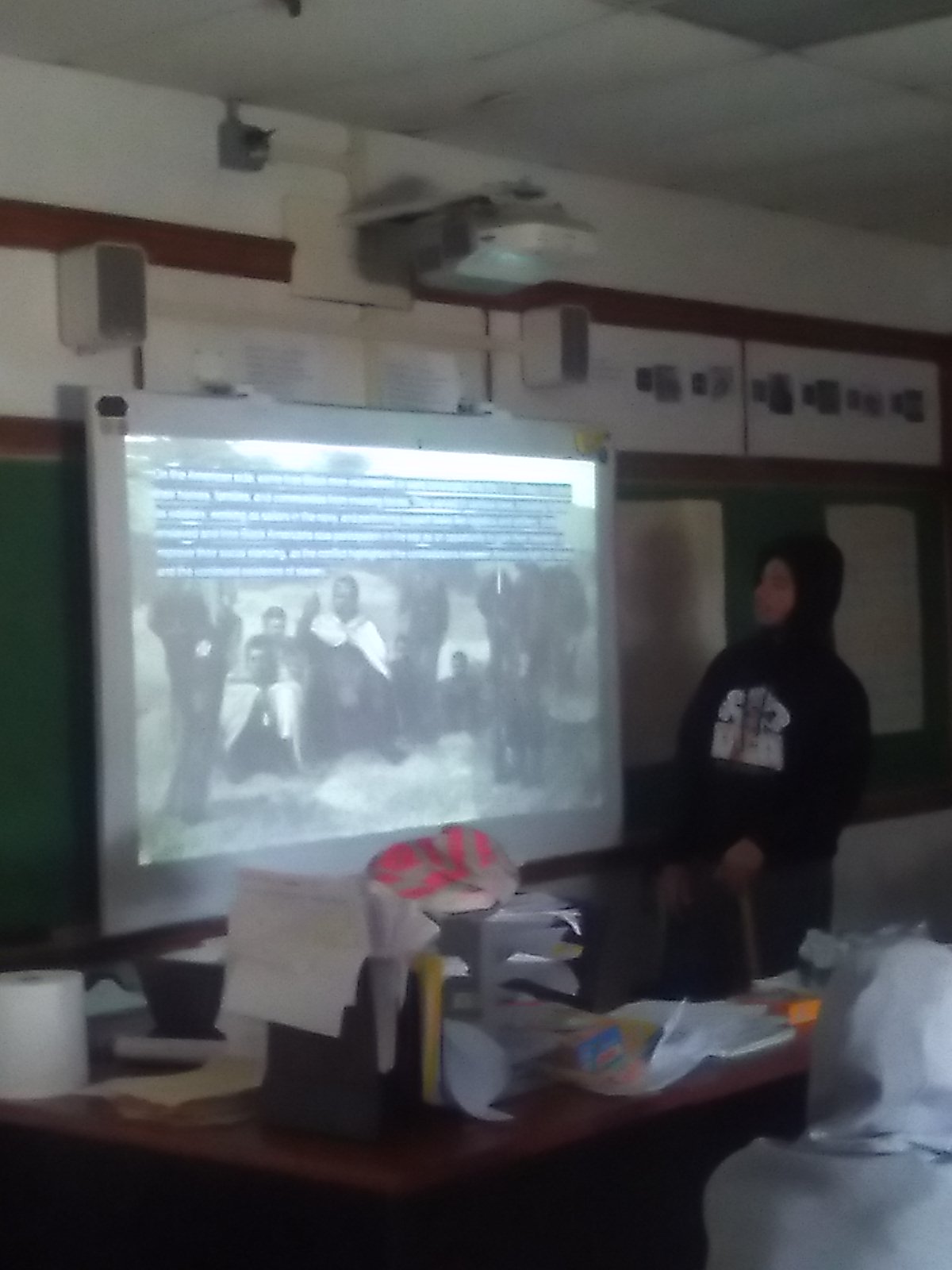

A powerful Black History Month essay by Mr. Wronko’s honor student Semaj Reid exploring equity in New Jersey, from housing and education to healthcare.
The Future on Equity in New Jersey
When I think about the future of New Jersey, one thing that pops up in my head is this idea of equity. And honestly, I used to think that was just a fancy word, but now I see it’s about real fairness — like making sure everyone gets a fair shot at life no matter where they come from, what their background is, or how much money they have. It’s about giving people the tools and opportunities they need to succeed. But let me tell you, it’s not easy in New Jersey. The state has a long history, lots of different communities, and a lot of inequalities that have been built over decades. So I ask myself, can we really change things and make NJ a place where everybody has an equal shot? That’s what I want to talk about.
Understanding What Equity Means
First thing is that we got to understand what we mean by equity. It’s not just about everyone getting the same thing, but about giving people what they need to catch up if they’re behind. If some kids have better schools or resources, then giving everyone the same just isn’t fair. Instead, we got to help those who are struggling to get ahead. That’s what equity is all about, and in New Jersey that’s especially true because the gaps are huge. We’re talking racial disparities, income differences, housing problems, and so much more.
New Jersey’s History of Segregation and Discrimination
Looking back history-wise, NJ has a pretty complicated past when it comes to segregation and discrimination. I mean practices like redlining, which started in the 50s or 60s, where banks and government drew lines around neighborhoods and basically said Black and minority families couldn’t get loans or buy homes in certain areas. It kept them out of wealth building and kept the neighborhoods divided even after it was outlawed. The effects are still very real today. Many communities are still segregated, with wealth in some areas and poverty in others. It’s like a cycle that never stops, and I wonder how we break that cycle and really make a change.
Housing Challenges and the High Cost of Living
Today the challenges are still really big. Take housing for example — the cost of living in New Jersey is wild. It’s one of the highest in the country, especially in cities like Newark, Jersey City, Atlantic City, and the rich suburbs too. For a lot of families, especially those with low incomes, just finding a decent place to live is a daily struggle. Houses are expensive, and families end up in overcrowded or rundown places just to get by. Or they have to move far away from jobs, which means longer commutes, less time with their families, and fewer chances to get ahead. It’s like being stuck in a trap with no way out.
Equity in New Jersey: Income Inequality and Access
And then there’s the income gap. It’s unbelievable how wide it is. Richer counties like Morris or Somerset have median incomes way above the average, but in places like Camden or parts of Newark, people are struggling with poverty. It’s not just about the money though — it’s about access too. People in poorer neighborhoods don’t get the same quality healthcare, good schools, or decent jobs, which keeps that cycle going. It’s like a wheel spinning, and it’s hard to stop unless we make some serious changes.
Educational Inequities
When it comes to education, the gap is obvious. Kids in wealthier districts have better schools with more resources, better teachers, and more extracurriculars. Meanwhile, kids in poorer districts often have old buildings with fewer supplies and high teacher turnover. The way our funding system works relies a lot on property taxes, so richer places can pump more money into their schools — which isn’t fair at all because it means a kid’s success depends on where they live, and that’s just wrong. Education is supposed to be the great equalizer, but when it’s so unequal, it’s hard for a lot of kids to reach their potential.
Equity in New Jersey: Healthcare Disparities
Healthcare is another huge issue. Racial and ethnic minorities often have worse health outcomes and less access to good care. Chronic illnesses like diabetes and hypertension are more common, and many don’t have insurance or the transportation to get to doctors. The pandemic made that all worse. It showed us how systemic inequities in health can be deadly if we don’t do something about it. We need to make healthcare accessible and affordable for everyone.
Slow Progress and Systemic Barriers
Even though there are some programs trying to fix these problems, progress is slow and frustrating. The state has initiatives like the Healthy Communities program, which tries to improve health in underserved areas, but systemic barriers like racism, economic inequality, and politics often slow things down or stop them altogether. It’s really tough because we know what needs to be done, but the road is bumpy.
Root Causes of Inequity
If we really want to change things, we have to look at the roots of these problems because a lot of it goes back to policies from way back — like redlining and urban renewal projects that displaced a lot of Black families and created neighborhoods that are still divided today. Land use laws and zoning often favor wealthier areas, leaving the poorer communities behind and making it harder for them to get ahead. Even now, new developments tend to go into wealthier neighborhoods, and the long-time residents get pushed out. It’s like history keeps repeating itself.
Jobs, Childcare, and Economic Opportunity
But fixing housing and education isn’t enough. We also got to think about jobs and economic opportunityeconomic opportunity. Many people in poorer communities struggle to find good jobs, especially in growing fields like healthcare or tech. Discrimination and lack of connections make it hard for them to move up. And for parents, the high cost of childcare makes everything even harder. Without affordable childcare, many parents are stuck in low-wage jobs or can’t work at all.
Equity in New Jersey: Transportation Barriers
Transportation is a big part of the problem too. If you don’t have reliable public transit, getting to work or the doctor or school can be a nightmare. It’s a huge barrier, and we need to fix it. Better transit and more accessible options could really help people get where they got to go and break down some of those physical and social barriers that keep neighborhoods apart.
Equity in New Jersey: The Need for Comprehensive Solutions
All these issues are connected, and that’s what makes fixing them so complicated. Local governments sometimes resist changes like increasing density or zoning reforms because they’re worried about losing neighborhood character or creating more congestion — and political fights make it worse. So what can we do? Well, it’s clear we need a big plan that includes community input and a long-term vision for housing. That could mean expanding zoning laws, supporting community land trusts, and offering incentives for affordable housing. Schools need fairer funding and programs that help all kids, like early childhood education, bilingual programs, and culturally responsive teaching. Healthcare needs to be more accessible and affordable through Medicaid expansion, mobile clinics, and community health programs. We also got to address social issues like housing, food security, and jobs because health is about more than just going to the doctor.
Community Involvement
Getting the community involved is highly important. When people have a say through neighborhood meetings or councils or participatory budgeting, they’re more likely to support and help imply solutions that work for them. Building trust and making sure everyone’s voice is heard makes a huge difference.
Equity in New Jersey: Technology and Innovation
Technology can help too. Data and mapping tools can show us where disparities are worst so we can target resources better. Expanding broadband internet, offering digital literacy classes, and using GIS mapping can help us understand and fix inequalities. Support minority businesses with grants and mentorship programs, and create workforce training programs that fit the community needs. Those things can open doors to good jobs and boost local economies.
Urban Planning and Preventing Displacement
Urban planning should focus on making neighborhoods affordable, sustainable, and connected. Building around transit hubs can connect residents to jobs and services while reducing traffic and pollution. Policies like rent stabilization, tenant protections, and community land trusts are key to preventing displacement and keeping neighborhoods diverse.
Improving Healthcare Through Community Approaches
Healthcare can be improved with mobile clinics, telehealth, and culturally sensitive care models. Addressing social factors like housing, food, and employment needs long-term teamwork and investments across sectors. The pandemic showed us how fragile and unequal systems are, but it also showed how important it is to build resilience and fairness into our future plans.
Opportunities for Change
Looking ahead, there are lots of opportunities to make real changes. Impact investing, social entrepreneurship, and community-led projects gain momentum. When different groups like government, nonprofits, and businesses work together, we can come up with solutions that actually work.
Keeping Equity at the Center
Long term, we got to make sure equity is part of everything we do. That means creating dedicated funds and resources and constantly measuring progress and adjusting as needed. If we stay committed and keep working together, the future of New Jersey can be brighter and fairer for everyone. It’s about making sure nobody gets left behind and that everyone has a fair shot at a good life. That’s what I hope for, and I believe it’s possible if we all push for it.
Conclusion
In conclusion, the road to equity in New Jersey is long and sometimes bumpy, but it’s also filled with hope. Despite all the problems rooted in history and systemic inequality, I believe we can change things. We just got to stay focused on fairness, listen to communities, work together, and invest in real solutions. If we do that, we can build a future where fairness isn’t just a dream but a reality for everyone in NJ — and that’s a future I really want to see.
Real stories. Real impact. Straight to your inbox. Join thousands others. Click here to subscribe to our newsletter today!
Follow us on Facebook, X, TikTok, Instagram





Memphis man sues city, police over photo taken of his deceased mother

Asbury Park High School: History Seminar

New Jersey police reach $4 million settlement with children of woman killed by ex-husband, a former police officer

Druski new parody mocking conservative women sparks debate

Detroit man convicted of sexually assaulting, killing teen found dead in prison 2 weeks after sentencing
Kendrick Johnson’s parents file $10B lawsuit against federal judges

GoFundMe launched after Alabama mother is fatally shot by husband hours after giving birth

Shaquille O’Neal pays for funeral costs for 12‑year‑old Jada West, Georgia officials say

Family demands justice after Baltimore County man dies after being punched by police officer in violent encounter

12‑year‑old Georgia girl dies after fight outside school bus, family says she was bullied

OWN greenlights first-ever ‘Belle Collective’ spinoff Belle Collective: Birmingham

Hazel Scott’s legacy returns to Harlem in free outdoor film screening

Olympic Gymnast Frederick Richard sets world record, raises $50K for Ugandan youth

Renee Ferguson, trailblazing investigative journalist, dies at 75

“AfroPoP Digital Shorts” returns to the land with “Sweet Samara,” climate and abolitionist film



-
 Community2 weeks ago
Shaquille O’Neal pays for funeral costs for 12‑year‑old Jada West, Georgia officials say
-
 Education1 week ago
Asbury Park High School: Crossover event esports and history with Tina Watson
-
 Social Justice2 days ago
New Jersey police reach $4 million settlement with children of woman killed by ex-husband, a former police officer
-
 Social Justice4 days ago
Jury awards California woman $15 million after supervisor called her n-word
-

 Culture2 weeks ago
Wu‑Tang Clan concert film to screen at The Pinhook as part of Wu‑Tang Wednesday Series
-
 Social Justice6 days ago
Family pleads for Trump’s help bringing severely ill son home from Chinese prison
-
 Crime & Justice3 days ago
Detroit man convicted of sexually assaulting, killing teen found dead in prison 2 weeks after sentencing
-
 Culture2 days ago
Druski new parody mocking conservative women sparks debate
-
 Social Justice1 week ago
DOJ moves to dismiss criminal case against ex-officers charged for role in Breonna Taylor’s death
-
 In Memoriam1 week ago
In Memoriam: Beloved Showtime at the Apollo co-host Kiki Shepard