
In Memoriam
Afrika Bambaataa’s legacy and controversy: Remembering the hip-hop pioneer
Afrika Bambaataa died April 9 in Pennsylvania from complications of cancer.

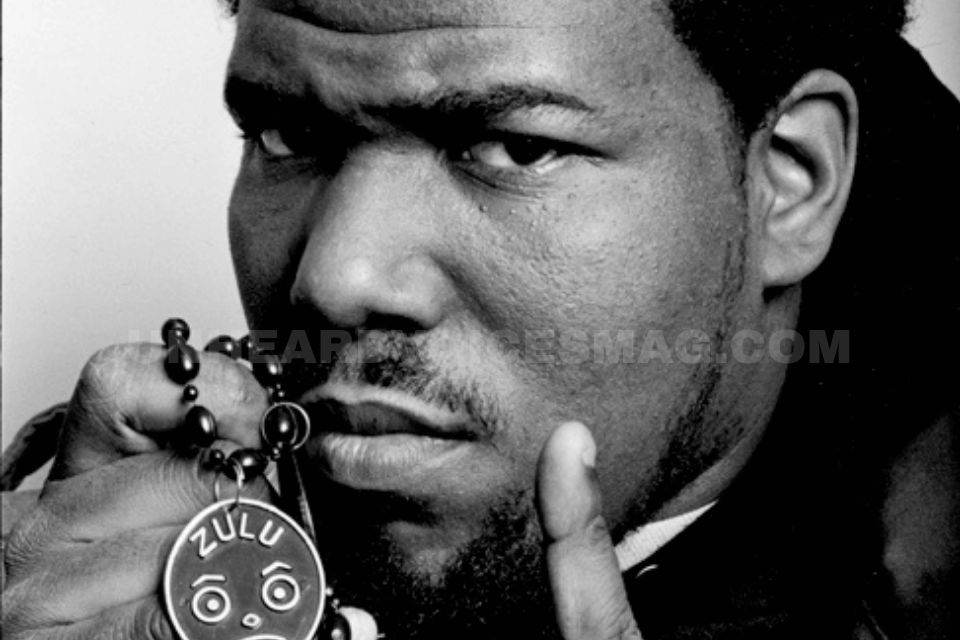

Afrika Bambaataa, the influential DJ and producer who helped shape hip-hop’s early identity and founded the Universal Zulu Nation, has died. He was 67. TMZ reported he died April 9 in Pennsylvania from complications of cancer.
Early Life and Rise in the Bronx
Bambaataa, born Lance Taylor, grew up in the Bronx during a period marked by economic decline and rising gang activity. He joined the Black Spades before shifting toward music and community organizing, according to TMZ.
He began hosting parties in the 1970s, and those events helped define the emerging hip-hop scene. His sets blended funk, soul and breakbeats, and they attracted large crowds across the South Bronx. His early work laid the foundation for the culture’s four elements: DJing, MCing, breakdancing and graffiti.
Breakthrough With “Planet Rock”
Bambaataa’s career catapulted in the early 1980s. His 1982 single “Planet Rock,” recorded with the Soulsonic Force, became a breakthrough hit. The track reached No. 4 on the U.S. R&B chart and helped popularize electro‑funk.
The song’s electronic sound, influenced by Kraftwerk, inspired a wave of electro‑rap and dance‑pop records. It also expanded hip-hop’s reach beyond New York. Many artists later cited the track as a major influence.
Afrika Bambaataa’s Collaborations and Cultural Impact
Throughout the 1980s and 1990s, Bambaataa collaborated with a wide range of artists. His work included:
- James Brown
- John Lydon
- George Clinton
- Bootsy Collins
- UB40
These collaborations broadened his audience and reinforced his reputation as a global cultural figure.
He also contributed to the 1985 anti‑apartheid album “Sun City,” which featured major artists from multiple genres.
Bambaataa later served as a visiting scholar at Cornell University, where he discussed hip-hop history and culture with students, NBC reports.
Zulu Nation and Community Work
Bambaataa co‑founded the Universal Zulu Nation in the late 1970s. The organization promoted peace, unity and community empowerment through music and art. It eventually expanded worldwide and hosted annual events featuring major performers.
His slogan, “peace, love, unity and having fun,” became a guiding principle for many early hip-hop communities.
Afrika Bambaataa’s Legal Controversies and Civil Case
Although Bambaataa’s musical legacy remained significant, his public image shifted sharply in recent years. Multiple men accused him of sexual abuse dating back to the 1980s and 1990s. He denied the early allegations.
In 2021, an anonymous plaintiff filed a civil lawsuit alleging Bambaataa sexually abused and trafficked him for four years beginning in 1991, when the plaintiff was 12. Bambaataa did not appear in court. In May 2025, a judge granted a default judgment in the plaintiff’s favor, according to the Guardian.
The case revived broader scrutiny of earlier accusations. Several men had previously claimed Bambaataa abused them as teenagers. Some allegations were later recanted, while others remained unresolved.
Legacy and Complicated Public Memory
Bambaataa’s death prompted renewed reflection on his influence and the controversies that surrounded him. Supporters highlighted his role in shaping hip-hop’s global rise. Critics emphasized the seriousness of the allegations and their impact on his legacy.
His contributions to music, culture and community organizing remain widely recognized. However, the legal cases and public accusations continue to shape how many view his place in hip-hop history.
Real stories. Real impact. Straight to your inbox. Join thousands others. Click here to subscribe to our newsletter today!
Follow us on Facebook, X, TikTok, Instagram










Afrika Bambaataa’s legacy and controversy: Remembering the hip-hop pioneer

GoFundMe launched for family of 7‑month‑old girl killed in Brooklyn shooting

Arkansas mother fights for her life as she awaits rare dual organ transplant

Dallas barber creates sensory‑friendly haircut experiences for neurodivergent children

Florida Vice Mayor found slain at home was sister of Parkland survivor who died by suicide

Shaquille O’Neal pays for funeral costs for 12‑year‑old Jada West, Georgia officials say

New Jersey police reach $4 million settlement with children of woman killed by ex-husband, a former police officer

12‑year‑old Georgia girl dies after fight outside school bus, family says she was bullied

Asbury Park High School: Crossover event esports and history with Tina Watson

Family presses for answers after mother of three is killed in New Jersey crash reportedly by impaired driver

OWN greenlights first-ever ‘Belle Collective’ spinoff Belle Collective: Birmingham

Hazel Scott’s legacy returns to Harlem in free outdoor film screening

Olympic Gymnast Frederick Richard sets world record, raises $50K for Ugandan youth

Renee Ferguson, trailblazing investigative journalist, dies at 75

“AfroPoP Digital Shorts” returns to the land with “Sweet Samara,” climate and abolitionist film




-
 Social Justice2 weeks ago
New Jersey police reach $4 million settlement with children of woman killed by ex-husband, a former police officer
-
 Culture2 weeks ago
Druski’s new parody mocking conservative women sparks debate
-
 Crime & Justice1 week ago
GoFundMe launched for Cleveland deacon recovering after brutal attack outside church
-
 Police2 weeks ago
Memphis man sues city, police over photo taken of his deceased mother
-

 Culture2 weeks ago
Virgin Islands announces lineup for 74th annual St. Thomas Carnival Village
-
 Crime & Justice1 week ago
Kansas City woman shot five times during Uber ride
-
 Community5 days ago
Dallas barber creates sensory‑friendly haircut experiences for neurodivergent children
-

 Social Justice1 week ago
Washington D.C. Airbnb squatter sues homeowner for $500,000
-
 Community4 days ago
GoFundMe launched for family of 7‑month‑old girl killed in Brooklyn shooting
-
 Crime & Justice6 days ago
Florida Vice Mayor found slain at home was sister of Parkland survivor who died by suicide