
Health & Wellness
Dallas, Texas mother says hospital delayed daughter’s care during labor in viral TikTok video
The clips show Karrie Jones hovered over in a wheelchair, screaming in pain, while a nurse asked admission questions.

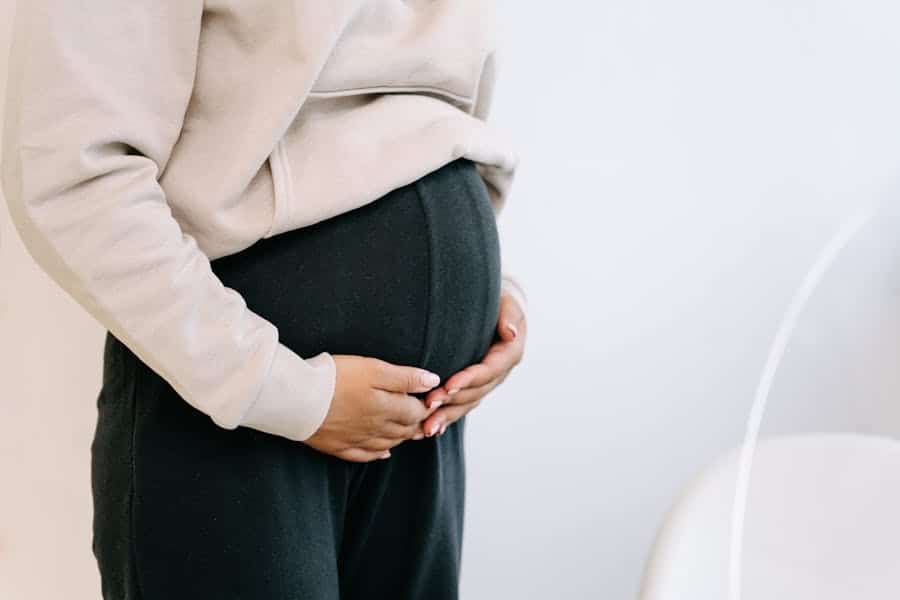

Dallas, TX – A mother’s TikTok videos have gone viral after she alleged Dallas Regional Medical Center delayed her daughter’s care during labor. The clips show Karrie Jones hovered over in a wheelchair, screaming in pain, while a nurse asked admission questions.
Her mother, Kash Jones, wrote in the video overlay that nurses kept her daughter waiting more than 30 minutes. She said Jones gave birth just 12 minutes later.
Viral Dallas Labor: Allegations of discrimination
“Y’all treat all your patients like this or just the Black ones?” Jones asked the nurse in the video. The question underscored her family’s claim of racial bias in maternal care.
Kash Jones said staff dismissed her daughter despite visible pain. Nurses allegedly refused to move her to a delivery room until paperwork was complete.
Family’s account of hospital response
“It wasn’t until we got to labor and delivery where we saw an ounce of care or sympathy,” Kash Jones said in another TikTok post. “Before then, they could care less if she gave birth in that wheelchair.”
The clip of Jones in the hospital had more than 36 million views by Saturday.
Hospital intake process questioned
Kash Jones said her daughter called the hospital ahead of time to report she was in labor. However, she alleged staff dismissed them upon arrival.
“We push her into the door, I say ‘Can we get her into labor and delivery?’” Jones said. “The nurse said ‘No, we have to fill out paperwork and get her a band before sending her upstairs.’”
Viral Dallas Labor: Aftermath and medical tests
Two days later, Kash Jones posted another video. She said her daughter and newborn were undergoing medical tests. She claimed the baby was “born with his eyes open… due to the stress and trauma that occurred in the triage area.”
Maternal health disparities
Black women continue to face worsening maternal health outcomes. In 2023, they experienced 50 deaths for every 100,000 live births, far higher than rates for white, Hispanic and Asian women, which remained below 20.
KFF analysis shows racial gaps have persisted for decades despite medical advances. The COVID‑19 pandemic, the overturning of Roe v. Wade, and barriers to abortion have intensified inequities. Native American, Alaska Native and Black women now face pregnancy‑related mortality rates more than three times higher than white women.
Experts say these disparities reflect systemic racism and broader social and economic inequities, including income, education and access to care.
Real stories. Real impact. Straight to your inbox. Join thousands others. Click here to subscribe to our newsletter today!
Follow us on Facebook, X, TikTok, Instagram











Memphis man sues city, police over photo taken of his deceased mother

Asbury Park High School: History Seminar

New Jersey police reach $4 million settlement with children of woman killed by ex-husband, a former police officer

Druski new parody mocking conservative women sparks debate

Detroit man convicted of sexually assaulting, killing teen found dead in prison 2 weeks after sentencing
Kendrick Johnson’s parents file $10B lawsuit against federal judges

GoFundMe launched after Alabama mother is fatally shot by husband hours after giving birth

Shaquille O’Neal pays for funeral costs for 12‑year‑old Jada West, Georgia officials say

Family demands justice after Baltimore County man dies after being punched by police officer in violent encounter

12‑year‑old Georgia girl dies after fight outside school bus, family says she was bullied

OWN greenlights first-ever ‘Belle Collective’ spinoff Belle Collective: Birmingham

Hazel Scott’s legacy returns to Harlem in free outdoor film screening

Olympic Gymnast Frederick Richard sets world record, raises $50K for Ugandan youth

Renee Ferguson, trailblazing investigative journalist, dies at 75

“AfroPoP Digital Shorts” returns to the land with “Sweet Samara,” climate and abolitionist film




-
 Community2 weeks ago
Shaquille O’Neal pays for funeral costs for 12‑year‑old Jada West, Georgia officials say
-

 Education1 week ago
Asbury Park High School: Crossover event esports and history with Tina Watson
-
 Social Justice2 days ago
New Jersey police reach $4 million settlement with children of woman killed by ex-husband, a former police officer
-
 Social Justice4 days ago
Jury awards California woman $15 million after supervisor called her n-word
-

 Culture2 weeks ago
Wu‑Tang Clan concert film to screen at The Pinhook as part of Wu‑Tang Wednesday Series
-
 Social Justice6 days ago
Family pleads for Trump’s help bringing severely ill son home from Chinese prison
-
 Crime & Justice3 days ago
Detroit man convicted of sexually assaulting, killing teen found dead in prison 2 weeks after sentencing
-
 Culture2 days ago
Druski new parody mocking conservative women sparks debate
-
 Social Justice1 week ago
DOJ moves to dismiss criminal case against ex-officers charged for role in Breonna Taylor’s death
-
 In Memoriam1 week ago
In Memoriam: Beloved Showtime at the Apollo co-host Kiki Shepard