
Culture
Matilda Sissieretta Joyner Jones #blackhistorymonth
Matilda Sissieretta Joyner Jones, known as Sissieretta Jones, was an African-American soprano. She sometimes was called “The Black Patti” in reference to Italian opera singer Adelina Patti. Jones’ repertoire included grand opera, light opera, and popular music.

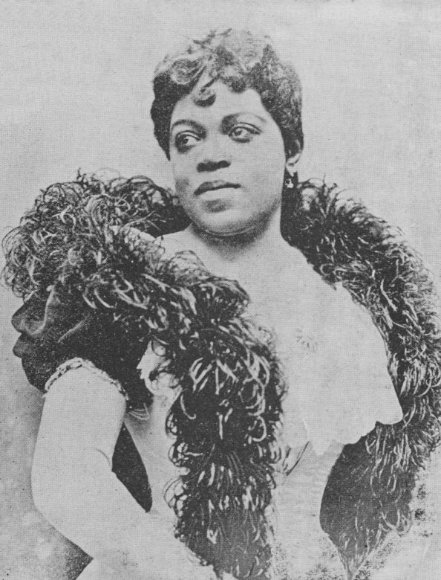

Matilda Sissieretta Joyner Jones, known as Sissieretta Jones, was an African American soprano. She sometimes was called “The Black Patti” in reference to Italian opera singer Adelina Patti. Jones’ repertoire included grand opera, light opera, and popular music.
About Matilda Sissieretta Joyner Jones
Matilda Sissieretta Joyner was born in Portsmouth, Virginia, United States, to Jeremiah Malachi Joyner, an African Methodist Episcopal minister, and Henrietta Beale. By 1876 her family moved to Providence, Rhode Island, where she began singing at an early age in her father’s Pond Street Baptist Church.
- In 1883 Joyner began the formal study of music at the Providence Academy of Music.
- In the late 1880s, Jones was accepted at the New England Conservatory of Music. IOn 1887, she performed at Boston’s Music Hall before an audience of 5,000.
In February 1892, Jones performed at the White House for President Benjamin Harrison. She eventually sang for four consecutive presidents — Harrison, Grover Cleveland, William McKinley, and Theodore Roosevelt — and the British royal family.
Makes history
Sissieretta Joyner Jones became the first Black American to sing at the Music Hall in New York (renamed Carnegie Hall the following year) in June of 1892. Among the selections in her program were Charles Gounod’s “Ave Maria” and Giuseppe Verdi’s “Sempre libera” (from La traviata).
The New York Echo wrote of her performance at the Music Hall: “If Mme Jones is not the equal of Adelina Patti, she at least can come nearer it than anything the American public has heard. Her notes are as clear as a mockingbird’s and her annunciation perfect.”
Due to racial inequalities, many of the venues Jones performed at, family and friends could not attend. In response, Jones started her own company performing her own skits, music, dancing, comedy, and aerobics. She toured the country for almost 20 years at white and black venues.
Retirement
After success as an opera singer, Jones retired from performing in 1915. She devoted the remainder of her life to her church and to caring for her mother.
Jones was forced to sell most of her property to survive .She died penniless on June 24, 1933.
Follow Unheard Voices on Twitter for more coverage.
Real stories. Real impact. Straight to your inbox. Join thousands others. Click here to subscribe to our newsletter today!
Want to tell your story, send a news tip or report a correction? Contact us at [email protected]
Follow us on Facebook, X, TikTok, Instagram, News Break
Discover more from Unheard Voices Magazine®
Subscribe to get the latest posts sent to your email.














VP of Detroit funeral home found dead days after family said mother was mistakenly cremated

White Philadelphia teacher and activist admits to lying about being Black and Palestinian

Texas woman once sentenced to five years for a voting mistake has her acquittal upheld

California couple welcomes rare mixed triplets weighing 19 pounds total, nearly breaking world record

North Carolina A&T mourns beloved senior who tragically died after saving sister from drowning

Mississippi woman vanishes after trip to West Virginia as family urges public to help find her

Florida woman won’t face charges after fatally shooting man in Walmart parking lot

Arkansas trooper pulls passenger by locs, punches him after high speed chase

College running back dies after collapsing minutes after scoring touchdown

Black Public Media opens submissions for 10th PitchBLACK, offering filmmakers up to $150,000 in production funding

Woody Shaw’s Avant‑Garde ‘Song of Songs’ returns to vinyl after 50 years through Jazz Dispensary’s Top Shelf Series

Kansas City’s Copper Boyz Ranch provides youth violence‑prevention through horsemanship

Nolan Wells’ family demands ‘thorough’ investigation: “What we’ve been told does not make sense”

Peabo Bryson, Grammy‑winning voice behind two Disney classics, dies at 75

OWN greenlights first-ever ‘Belle Collective’ spinoff Belle Collective: Birmingham





-

 Crime & Justice5 days ago
Mississippi police make second arrest in death of Black woman found hanging from tree
-
 In Memoriam2 days ago
VP of Detroit funeral home found dead days after family said mother was mistakenly cremated
-

 Community2 weeks ago
Strangers raise $10,000 in 48 hours for Las Vegas piano tuner after viral video
-

 In Memoriam2 weeks ago
Georgia family mourns beloved 11‑year‑old who died after collapsing while playing basketball
-
 In Memoriam1 week ago
Sister Betsy Jean Farrakhan, eldest daughter of Minister Louis Farrakhan, dies
-

 Real Voices4 days ago
Black Aerospace Professionals Development Director Haifa Baptiste dies in Costa Rica flash flood
-

 Crime & Justice1 week ago
Black Transgender woman Sophie Lee shot and killed in Baltimore
-

 Health & Wellness1 week ago
Mississippi teen Zach Brown, 17, critically ill after toxic herbicide exposure