
Black Excellence
Stewart Fulbright, Tuskegee Airman and business school dean, dies at 92
Stewart Fulbright, a trailblazing black educator who piloted a bomber during World War II as one of the Tuskegee Airmen and later served as the first dean of the North Carolina Central University School of Business, has died, He was 92.

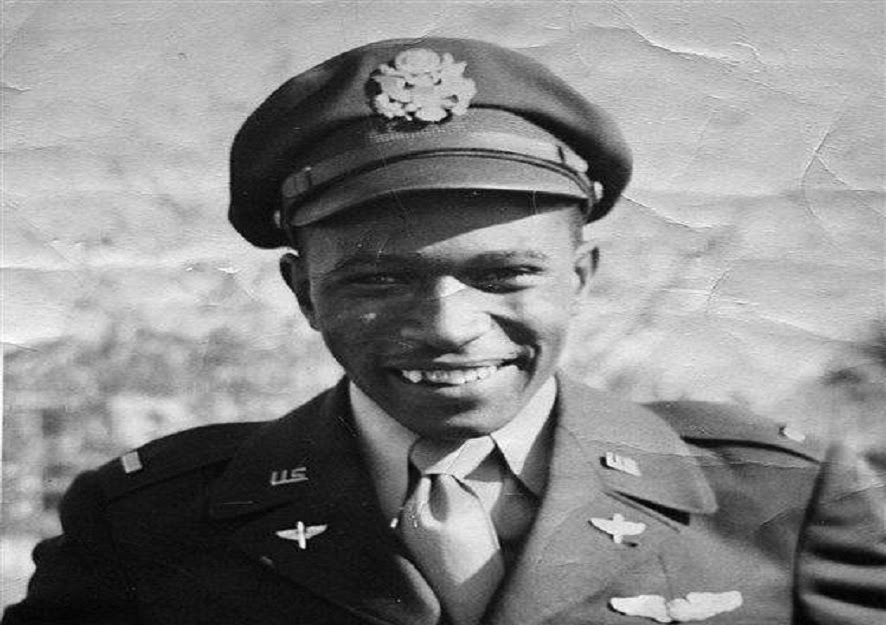

Durham, N.C. — Stewart Fulbright, a pioneering Black educator and World War II bomber pilot who served as one of the Tuskegee Airmen before becoming the first dean of the North Carolina Central University School of Business, has died.
He was 92.
His son, Edward Fulbright, said he died in Durham, N.C., on New Year’s Day after a short illness. A funeral is scheduled for Saturday at Covenant Presbyterian Church.
A Life of Service and Firsts
Born in Springfield, Mo., in 1919, Fulbright enlisted in the Army Air Corps in 1943. He was among roughly 1,000 men trained in Tuskegee, Ala., as the first Black pilots, navigators, and bombardiers in U.S. military history. Their training and combat performance broke racial barriers and helped reshape the nation’s armed forces.
After the war, Fulbright joined North Carolina Central University in 1947. He spent 35 years at the institution, rising through the ranks and becoming the first dean of the School of Business in 1972. He retired in 1982, leaving behind a legacy of academic leadership and mentorship.
The Legacy of the Tuskegee Airmen
The Tuskegee Airmen were the first Black military aviators in the U.S. Army Air Corps, the precursor to the U.S. Air Force. Trained at the Tuskegee Army Air Field in Alabama, they flew more than 15,000 sorties across Europe and North Africa during World War II. Their performance earned them more than 150 Distinguished Flying Crosses and helped push the U.S. military toward integration.
Their achievements came despite widespread racist beliefs that Black pilots could not operate advanced aircraft. In the years leading up to the war, African Americans faced steep barriers to aviation training. President Franklin D. Roosevelt’s expansion of the civilian pilot training program in 1938 opened the door for Black trainees, but segregation remained deeply entrenched in the armed forces.
The Tuskegee Airmen’s success challenged those prejudices and reshaped public perception of Black servicemen.
Remembering Tuskegee Airman Stewart Fulbright
Fulbright’s life bridged two eras, one defined by segregation and another shaped by the slow but steady expansion of opportunity. As a bomber pilot, educator, and dean, he helped open doors for future generations.
His contributions endure at NCCU, within the history of the Tuskegee Airmen, and in the lives of the students and colleagues he inspired.
Real stories. Real impact. Straight to your inbox. Join thousands others. Click here to subscribe to our newsletter today!
Follow us on Facebook, X, TikTok, Instagram







Memphis man sues city, police over photo taken of his deceased mother

Asbury Park High School: History Seminar

New Jersey police reach $4 million settlement with children of woman killed by ex-husband, a former police officer

Druski new parody mocking conservative women sparks debate

Detroit man convicted of sexually assaulting, killing teen found dead in prison 2 weeks after sentencing
Kendrick Johnson’s parents file $10B lawsuit against federal judges

GoFundMe launched after Alabama mother is fatally shot by husband hours after giving birth

Shaquille O’Neal pays for funeral costs for 12‑year‑old Jada West, Georgia officials say

Family demands justice after Baltimore County man dies after being punched by police officer in violent encounter

12‑year‑old Georgia girl dies after fight outside school bus, family says she was bullied

OWN greenlights first-ever ‘Belle Collective’ spinoff Belle Collective: Birmingham

Hazel Scott’s legacy returns to Harlem in free outdoor film screening

Olympic Gymnast Frederick Richard sets world record, raises $50K for Ugandan youth

Renee Ferguson, trailblazing investigative journalist, dies at 75

“AfroPoP Digital Shorts” returns to the land with “Sweet Samara,” climate and abolitionist film




-
 Community2 weeks ago
Shaquille O’Neal pays for funeral costs for 12‑year‑old Jada West, Georgia officials say
-
 Education1 week ago
Asbury Park High School: Crossover event esports and history with Tina Watson
-
 Social Justice2 days ago
New Jersey police reach $4 million settlement with children of woman killed by ex-husband, a former police officer
-

 Social Justice4 days ago
Jury awards California woman $15 million after supervisor called her n-word
-

 Culture2 weeks ago
Wu‑Tang Clan concert film to screen at The Pinhook as part of Wu‑Tang Wednesday Series
-

 Social Justice6 days ago
Family pleads for Trump’s help bringing severely ill son home from Chinese prison
-
 Crime & Justice4 days ago
Detroit man convicted of sexually assaulting, killing teen found dead in prison 2 weeks after sentencing
-
 Culture3 days ago
Druski new parody mocking conservative women sparks debate
-
 Social Justice1 week ago
DOJ moves to dismiss criminal case against ex-officers charged for role in Breonna Taylor’s death
-

 In Memoriam1 week ago
In Memoriam: Beloved Showtime at the Apollo co-host Kiki Shepard