
Black Excellence
In Memoriam: Bernard LaFayette, Selma voting rights organizer, dies at 85
Remembering Bernard LaFayette, a key figure in the Selma voting rights campaign and advocate for civil rights.

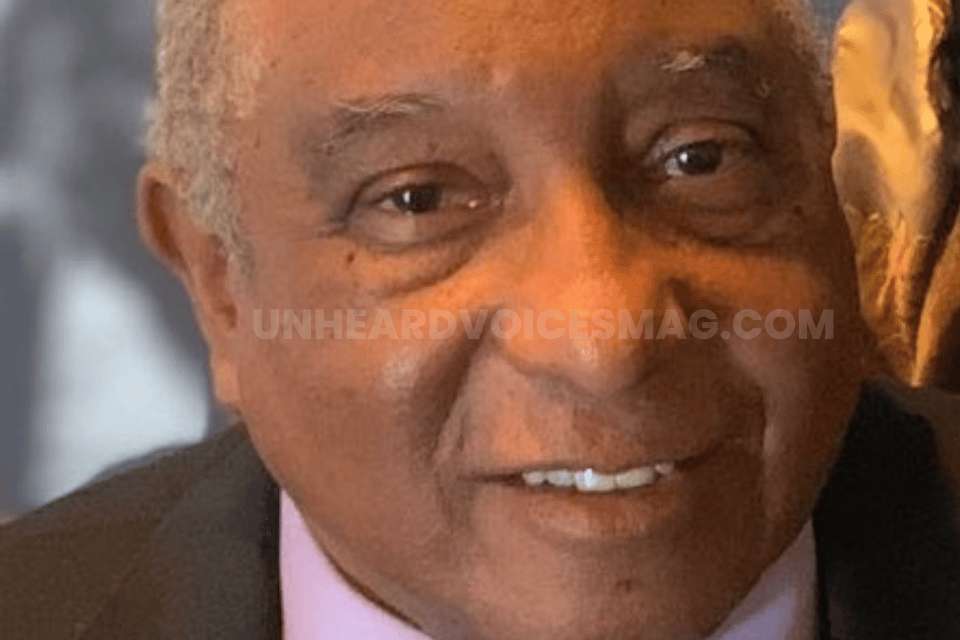

Dr. Bernard LaFayette, a civil rights activist behind the Selma voting rights campaign that helped spur the Voting Rights Act of 1965, has died. He died of a heart attack, his son said. He was 85.
Dr. Bernard LaFayette: Early Organizing That Shaped Selma
LaFayette served as the advance organizer for the Selma voter registration effort, laying the groundwork for the 1965 marches that shocked the nation and accelerated federal action on voting rights.
Although “Bloody Sunday” became the defining moment, LaFayette had already spent years building local leadership. He moved to Selma in 1963 as director of the Alabama Voter Registration Campaign. He worked door‑to‑door with his then‑wife, Colia Liddell, to encourage residents to register.
Dr. Bernard LaFayette: A Leader Across the Movement
LaFayette helped found the Student Nonviolent Coordinating Committee in 1960. He later worked with the Southern Christian Leadership Conference and the American Friends Service Committee.
He also played a central role in Nashville’s sit‑in movement, which challenged segregated lunch counters and trained a generation of young organizers.
Confronting Violence with Nonviolence
In 1963, LaFayette survived an assassination attempt on the same night civil rights leader Medgar Evers was murdered in Mississippi. A neighbor intervened with a rifle as the attacker pointed a gun at him. LaFayette stepped between them, urging restraint.
He later described nonviolence as a struggle “to win that person over, a struggle of the human spirit.”
Absent From Bloody Sunday, but Not the Movement
LaFayette was working on a Chicago project when the Selma marches began, so he was not on the Edmund Pettus Bridge on March 7, 1965. He had planned to join the march on its second day.
Still, his influence remained central. For two years:
- he had trained young activists
- strengthened the Dallas County Voters League
- built the networks that sustained the movement after the attack shocked the nation.
He quickly organized supporters in Chicago to travel to Alabama for the next attempt and helped national civil rights leaders coordinate strategy as pressure mounted on Congress.
Leadership in Nonviolence Education
After Selma, LaFayette became a leading national voice on nonviolence. He served as the first director of the Peace Education Program at Gustavus Adolphus College in 1973 and later held academic roles at Alabama State University, Emory University and Auburn University.
He also directed the Center for Nonviolence and Peace Studies at the University of Rhode Island, where he expanded training programs based on the principles of Martin Luther King Jr.
Roots in Tampa and His Education
LaFayette was born on July 29, 1940, in Tampa, Florida, the oldest of eight children. He attended both integrated and segregated schools and later said those experiences showed him “the contrast between the two worlds.”
He studied at the American Baptist Theological Seminary in Nashville and became active in the Nashville Student Movement. LaFayette later earned a master’s degree in education from Harvard University in 1972 and a doctorate in 1974.
A Legacy of Training and Teaching
LaFayette documented his Selma work in his 2013 memoir, In Peace and Freedom: My Journey in Selma.
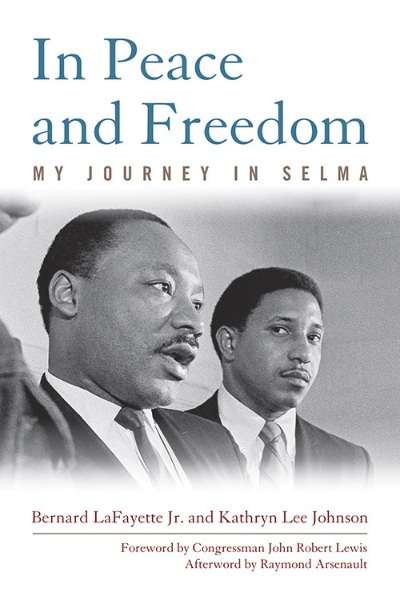
University of Kentucky press
His influence extended across generations of activists who viewed him as a bridge between early sit‑ins, the Selma campaign and later voting rights efforts.
In a statement, the Legal Defense Fund said his “unwavering commitment to justice and peace carried on through the decades, reaching countless communities.”
Real stories. Real impact. Straight to your inbox. Join thousands others. Click here to subscribe to our newsletter today!
Follow us on Facebook, X, TikTok, Instagram









Memphis man sues city, police over photo taken of his deceased mother

Asbury Park High School: History Seminar

New Jersey police reach $4 million settlement with children of woman killed by ex-husband, a former police officer

Druski new parody mocking conservative women sparks debate

Detroit man convicted of sexually assaulting, killing teen found dead in prison 2 weeks after sentencing
Kendrick Johnson’s parents file $10B lawsuit against federal judges

GoFundMe launched after Alabama mother is fatally shot by husband hours after giving birth

Shaquille O’Neal pays for funeral costs for 12‑year‑old Jada West, Georgia officials say

Family demands justice after Baltimore County man dies after being punched by police officer in violent encounter

12‑year‑old Georgia girl dies after fight outside school bus, family says she was bullied

OWN greenlights first-ever ‘Belle Collective’ spinoff Belle Collective: Birmingham

Hazel Scott’s legacy returns to Harlem in free outdoor film screening

Olympic Gymnast Frederick Richard sets world record, raises $50K for Ugandan youth

Renee Ferguson, trailblazing investigative journalist, dies at 75

“AfroPoP Digital Shorts” returns to the land with “Sweet Samara,” climate and abolitionist film




-
 Community2 weeks ago
Shaquille O’Neal pays for funeral costs for 12‑year‑old Jada West, Georgia officials say
-
 Education1 week ago
Asbury Park High School: Crossover event esports and history with Tina Watson
-
 Social Justice2 days ago
New Jersey police reach $4 million settlement with children of woman killed by ex-husband, a former police officer
-
 Social Justice4 days ago
Jury awards California woman $15 million after supervisor called her n-word
-

 Culture2 weeks ago
Wu‑Tang Clan concert film to screen at The Pinhook as part of Wu‑Tang Wednesday Series
-
 Social Justice6 days ago
Family pleads for Trump’s help bringing severely ill son home from Chinese prison
-
 Crime & Justice3 days ago
Detroit man convicted of sexually assaulting, killing teen found dead in prison 2 weeks after sentencing
-
 Culture2 days ago
Druski new parody mocking conservative women sparks debate
-
 In Memoriam1 week ago
In Memoriam: Beloved Showtime at the Apollo co-host Kiki Shepard
-
 Social Justice1 week ago
DOJ moves to dismiss criminal case against ex-officers charged for role in Breonna Taylor’s death