
Social Justice
‘Target Fast’ ends after 400 days, but original target boycott leaders reject the move
Pastor Jamal Bryant, activist Tamika D. Mallory of Until Freedom, and former Ohio state Sen. Nina Turner, founder of We Are Somebody, announced the conclusion during a press conference in Washington Wednesday.

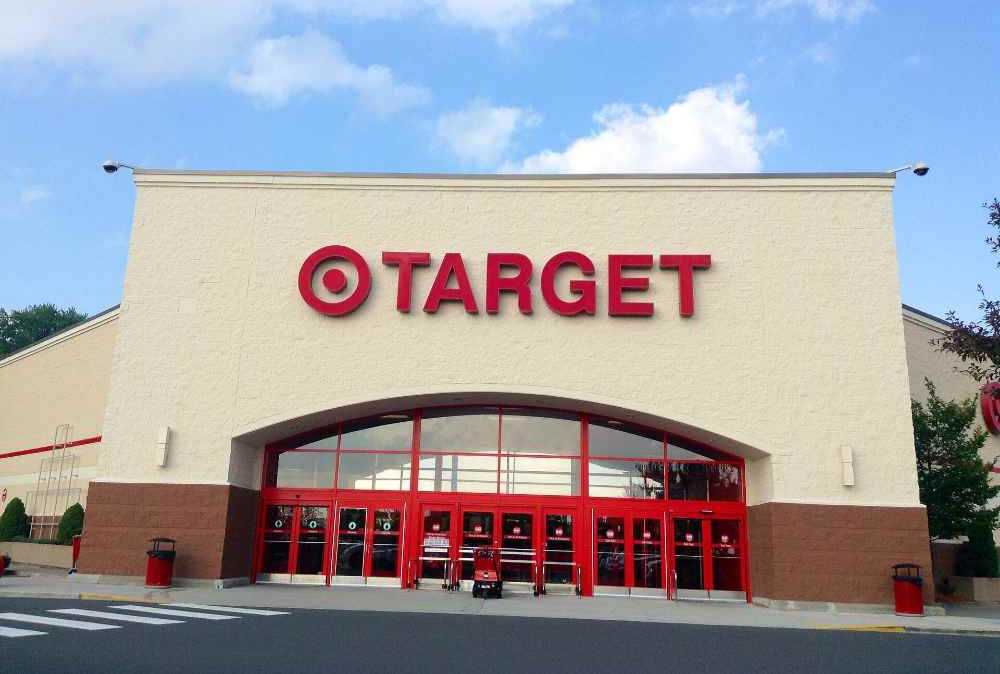

A 400‑day Target boycott called the ‘Target Fast’ has ended as its head leader says the campaign achieved significant progress on three of its four original demands.
Target Boycott Coalition Declares the Boycott Complete
Pastor Dr. Jamal Bryant announced the conclusion during a press conference in Washington.
Organizers said Target acknowledged the financial impact of losing Black consumers, with multiple reports estimating the boycott cost the company $12–$15 billion in market value.
What the Target Fast Demanded
Leaders outlined four original demands when the boycott began:
- Reinstate full company‑wide Diversity Equity and Inclusion (DEI) policies
- Honor Target’s 2020 pledge to invest $2 billion in Black‑owned businesses, products, and media
- Invest in Black‑owned banks through intentional partnerships
- Establish retail training centers at HBCUs
These demands were reiterated at Wednesday’s press conference.
What Target Has Allegedly Completed
Pastor Bryant said Target has met three of the four demands, including:
- Reestablishing DEI efforts through its “Belonging at the Bullseye” strategy, which replaced the DEI programs scaled back after federal pressure.
- Completing 97% of its $2 billion commitment to Black‑owned businesses, with full completion expected by Easter 2026.
- Advancing HBCU partnerships tied to entrepreneurship and retail training.
Target also reportedly pledged an additional $100 million toward related initiatives.
Inside The Press Conference
During the press conference, Bryant said the fast demonstrated the economic power of Black consumers. He noted that the “Target Fast” pledge gathered more than 300,000 signatures nationwide.
Bryant said the financial losses “brought Target to the table,” and he praised the surge in support for Black‑owned businesses during the fast. He described the movement as proof that the Black community represents “the 12th wealthiest nation in the world” when acting collectively.
Although Bryant declared the fast complete, he said organizers will continue monitoring Target’s follow‑through. “This fight for us has now reached its conclusion,” he said, adding that new campaigns are already underway.
Company Response
In a statement, Target said it welcomed the end of the fast and remains “more committed than ever” to creating growth and opportunity for employees and customers. The company emphasized its presence in more than 2,000 communities nationwide and said its “Belonging” strategy ensures access to advancement across all levels of the company.
Not All Groups Agree
Although Bryant said the campaign has ended, Minnesota activists who orginially launched the national Target boycott said they are not stopping. They held a separate press conference on March 11 outside Target’s Minneapolis headquarters to distance themselves from Bryant’s announcement.
Nekima Levy Armstrong, founder of the Racial Justice Network and co-founder of the first national Target boycott, said Target has not restored the DEI policies that sparked the original boycott. She argued that ending the protest now undermines the movement’s purpose.
“How can you call off a boycott focused on diversity, equity and inclusion and have no results to show for it? That is a slap in the face for the people,” Armstrong said. “But who’s standing here? The people who actually called the boycott. The people who were actually willing to hold this company accountable and are not willing to compromise with Target Corporation until they do the right thing by the people of Minnesota and the people across this nation.”
Related: Pastor Jamal Bryant apologizes for confusion over Target Fast, says Black women started the boycott
Economic and Cultural Impact
President Trump eliminated DEI initiatives at the federal level at the beginning of his second term. In response, major American corporations, including Target, followed suit and rolled back programs intended to support corporate diversity. In response, social justice leaders organized a boycott.
The Target Fast lasted 400 days, nearly ten times the length of a traditional 40‑day fast. Target’s share price has risen more than 20% in 2026, but the company acknowledged that DEI backlash contributed to declining sales in 2025.
Meanwhile, Armstrong urged shoppers to continue avoiding the retailer. “This Target boycott is not over,” she said.
Real stories. Real impact. Straight to your inbox. Join thousands others. Click here to subscribe to our newsletter today!
Follow us on Facebook, X, TikTok, Instagram














Memphis man sues city, police over photo taken of his deceased mother

Asbury Park High School: History Seminar

New Jersey police reach $4 million settlement with children of woman killed by ex-husband, a former police officer

Druski new parody mocking conservative women sparks debate

Detroit man convicted of sexually assaulting, killing teen found dead in prison 2 weeks after sentencing

Kendrick Johnson’s parents file $10B lawsuit against federal judges

GoFundMe launched after Alabama mother is fatally shot by husband hours after giving birth

Shaquille O’Neal pays for funeral costs for 12‑year‑old Jada West, Georgia officials say

Family demands justice after Baltimore County man dies after being punched by police officer in violent encounter

12‑year‑old Georgia girl dies after fight outside school bus, family says she was bullied

OWN greenlights first-ever ‘Belle Collective’ spinoff Belle Collective: Birmingham

Hazel Scott’s legacy returns to Harlem in free outdoor film screening

Olympic Gymnast Frederick Richard sets world record, raises $50K for Ugandan youth

Renee Ferguson, trailblazing investigative journalist, dies at 75

“AfroPoP Digital Shorts” returns to the land with “Sweet Samara,” climate and abolitionist film




-
 Community2 weeks ago
Shaquille O’Neal pays for funeral costs for 12‑year‑old Jada West, Georgia officials say
-

 Education1 week ago
Asbury Park High School: Crossover event esports and history with Tina Watson
-
 Social Justice2 days ago
New Jersey police reach $4 million settlement with children of woman killed by ex-husband, a former police officer
-

 Social Justice4 days ago
Jury awards California woman $15 million after supervisor called her n-word
-

 Culture2 weeks ago
Wu‑Tang Clan concert film to screen at The Pinhook as part of Wu‑Tang Wednesday Series
-

 Social Justice6 days ago
Family pleads for Trump’s help bringing severely ill son home from Chinese prison
-
 Crime & Justice3 days ago
Detroit man convicted of sexually assaulting, killing teen found dead in prison 2 weeks after sentencing
-
 Culture2 days ago
Druski new parody mocking conservative women sparks debate
-
 Social Justice1 week ago
DOJ moves to dismiss criminal case against ex-officers charged for role in Breonna Taylor’s death
-

 In Memoriam1 week ago
In Memoriam: Beloved Showtime at the Apollo co-host Kiki Shepard