
Crime & Justice
Tony Hicks, who went from teen killer to restorative justice advocate, dies at 45
Tony Hicks, once one of California’s youngest convicted murderers and later a nationally recognized restorative justice advocate, dies at 45.

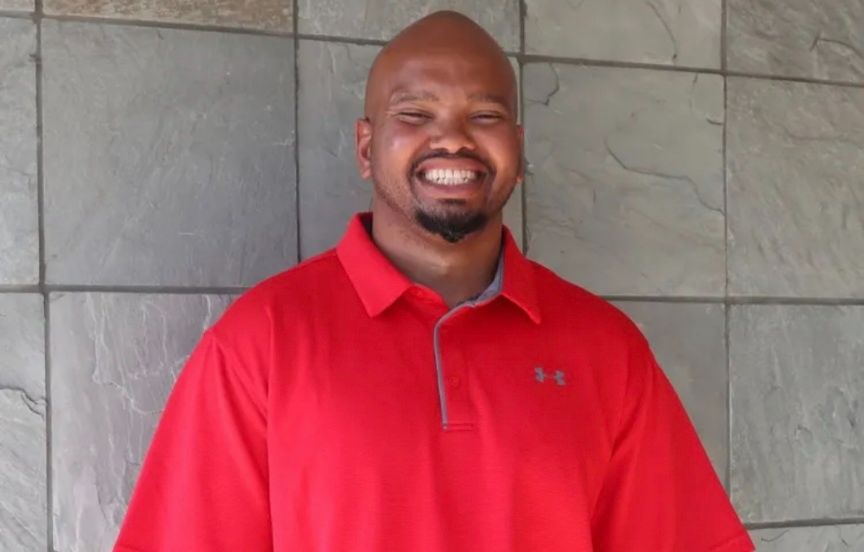

Tony Hicks, once one of California’s youngest convicted murderers and later a leading voice for restorative justice, has died at 45, according to the Tariq Khamisa Foundation.
Hicks was 14 when he shot and killed 20‑year‑old San Diego State University student Tariq Khamisa during a robbery attempt in 1995. Police arrested him days later. He pleaded guilty to murder and entered prison expecting to die there.
A Father’s Forgiveness Shifted His Path
Soon after sentencing, Hicks learned that Tariq’s father, Azim Khamisa, had forgiven him and wanted to meet. Hicks refused.
“I did not feel like I was ready,” he later told the National Center on Restorative Justice. “Nor did I think I deserved that kind of forgiveness.”
Nearly five years passed before Hicks reconsidered. He believed he owed the Khamisa family “some kind of closure.”
When Hicks and Khamisa finally met inside Folsom State Prison, they spoke for hours about their lives and the night Tariq died. Before leaving, Khamisa made Hicks a remarkable promise: if Hicks ever walked free, he would have a job waiting at the foundation created in Tariq’s name.
For Hicks, who expected to spend life behind bars, the offer changed everything.
Education Became Tony Hicks’ First Act of Accountability
Hicks entered prison reading at a fourth‑grade level. Ashamed, he immersed himself in books. He earned his GED and began writing for the foundation. He said he wanted to become the man Khamisa believed he could be.
A Second Chance After Two Decades
When Hicks became eligible for parole in 2018, Khamisa and his daughter, Tasreen, urged commissioners to release him. They argued that his voice was needed outside prison.
Hicks walked free the next year after serving more than 24 years.
Adjusting to life outside was difficult. He had never paid bills, driven a car or lived alone. Still, he built a new life. He found work as a plumber and continued speaking for the foundation. He and Khamisa addressed thousands of students each year.
“What I tell young people all the time,” Hicks said in an interview with TODAY, “is that your actions do not ultimately define you. Every day that you are alive, you can make a better choice.”
The Weight He Never Put Down
Even after decades of personal growth, Hicks said he never stopped thinking about the Khamisa family.
“I can’t look at them and not think about what I took away,” he said.
Forgiving himself, he added, was a daily effort.
“Forgiveness is a muscle that I have to exercise every day,” he said. “It’s not a light switch. It’s something I have to work toward.”
Although he could never undo what he did at 14, Hicks devoted his life to helping other children avoid the same path.
Tony Hicks: A Legacy Rooted in Healing
The Tariq Khamisa Foundation called Hicks’ life “a powerful testament to courage, accountability, healing and transformation.”
Retired Superior Court Judge Joan Weber, who sentenced Hicks, told NBC San Diego she “sobbed uncontrollably” when she learned of his death. She described his growth as “extraordinary” and said the reconciliation between Hicks and the Khamisa family was “the most exceptional showing of forgiveness” she had ever witnessed.
The foundation did not disclose a cause of death. Supporters say they plan to continue Hicks’ work and preserve the message he carried into classrooms nationwide.
Discover more from Unheard Voices Magazine®
Subscribe to get the latest posts sent to your email.










University of Maryland Tennis Club issues public apology after racist imagery sparks backlash

Mississippi Attorney General says officer was justified in shooting that killed 1‑year‑old Kohen Wiley

Police veteran begins rare cancer fight after pleomorphic sarcoma diagnosis

Beloved high school teacher killed in Atlanta murder‑suicide

North Carolina A&T, UNC Greensboro and Bennett students march nearly an hour after campus voting sites removed

VP of Detroit funeral home found dead days after family said mother was mistakenly cremated

Black Aerospace Professionals Development Director Haifa Baptiste dies in Costa Rica flash flood

Mississippi police make second arrest in death of Black woman found hanging from tree

Sister Betsy Jean Farrakhan, eldest daughter of Minister Louis Farrakhan, dies

Justice for Nolan Wells Reward Fund raises $300k

Woody Shaw’s Avant‑Garde ‘Song of Songs’ returns to vinyl after 50 years through Jazz Dispensary’s Top Shelf Series

Kansas City’s Copper Boyz Ranch provides youth violence‑prevention through horsemanship

Nolan Wells’ family demands ‘thorough’ investigation: “What we’ve been told does not make sense”

Peabo Bryson, Grammy‑winning voice behind two Disney classics, dies at 75

OWN greenlights first-ever ‘Belle Collective’ spinoff Belle Collective: Birmingham





-
 Social Justice2 weeks ago
Justice for Nolan Wells Reward Fund raises $300k
-
 Culture2 weeks ago
Buried history: Documentary uncovers Black slave cemetery hidden under Staten Island shopping center
-

 Black and Missing2 weeks ago
What happened to Chantel Brooks? Police, family continue to seek answers for woman missing since July
-
 In Memoriam1 week ago
Boston rapper Rahim “V Knuckles” Muhammad dies at 46 after fight with brain cancer
-
 In Memoriam1 week ago
Major Jewel McDonald, oldest known living man in the U.S., dies at 110
-

 Music2 weeks ago
UK soul singer Scarlett Fagan releases video for new single ‘Awaken’
-
 In Memoriam1 week ago
Curtis Flowers, Mississippi man wrongfully convicted after being tried for the same killings 6 times, dies at 56
-

 New Jersey1 week ago
New Jersey mom demands answers after 4‑year‑old son died at daycare