
In Memoriam
Assata Shakur, political activist and author, dies at 78 in Cuba
Born JoAnne Deborah Byron in Queens, New York, on July 16, 1947, Shakur was raised in segregated Wilmington, North Carolina.

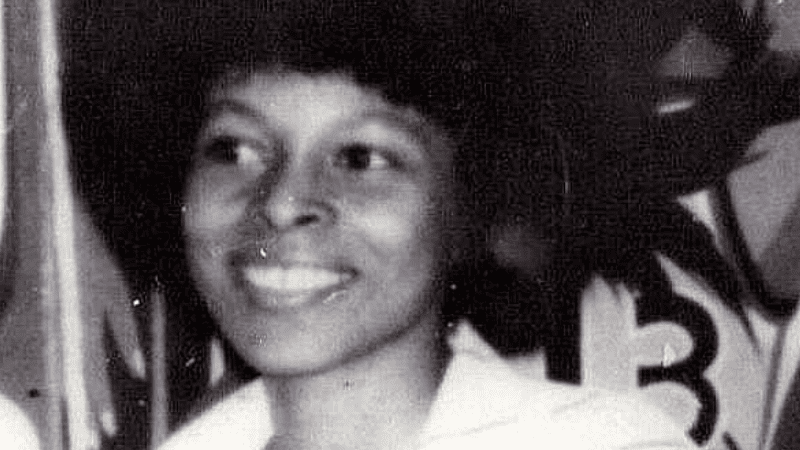

Assata Shakur, a global symbol of Black resistance and political exile, died on September 25, 2025, in Havana, Cuba.
She was 78.
Cuban officials cited age-related health conditions as the cause of death.
Early Life and Political Awakening for Assata Shakur
Born JoAnne Deborah Byron in Queens, New York, on July 16, 1947, Shakur was raised in segregated Wilmington, North Carolina. She returned to New York as a teenager, working low-wage jobs before enrolling in college. A 1964 conversation with African students sparked her political awakening. She later wrote, “Only a fool lets somebody else tell him who his enemy is.”
From Student Activist to Revolutionary
Shakur studied at Borough of Manhattan Community College and City College of New York. She joined the Golden Drums society and advocated for Black studies. In 1967, she married fellow activist Louis Chesimard and divorced three years later. That same year, she joined the Black Panther Party but left due to internal issues and historical gaps.
Assata Shakur: Embracing a New Identity
In 1971, she adopted the name Assata Olugbala Shakur. “Assata” means “she who struggles” in Swahili, “Olugbala” means “love for the people” in Yoruba, and “Shakur” means “the thankful” in Arabic. She joined the Black Liberation Army, a Marxist-Leninist group committed to armed resistance.
Arrest, Conviction, and Escape
Between 1971 and 1973, Shakur faced multiple charges, including robbery and murder. Most were dismissed or acquitted. In 1973, a traffic stop in New Jersey led to a deadly shootout. Trooper Werner Foerster and BLA member Zayd Malik Shakur were killed. Assata Shakur was convicted of Foerster’s murder in 1977 and sentenced to life.
In 1979, BLA members helped her escape from Clinton Correctional Facility. She later surfaced in Cuba, where Fidel Castro’s government granted her asylum.
Life in Exile and Enduring Legacy
Shakur remained in Cuba for over four decades. In 2013, she became the first woman on the FBI’s Most Wanted Terrorists list. Despite controversy, she maintained her innocence and criticized the U.S. justice system.
Her 1987 memoir, Assata: An Autobiography, became a foundational text for activists. It chronicled her experiences with racism, incarceration, and political exile. Her quote, “It is our duty to fight for our freedom,” remains central to modern movements.
Discover more from Unheard Voices Magazine®
Subscribe to get the latest posts sent to your email.









NAACP launches National Black Man Voter Day with week of action aimed at mobilizing 100,000 Black men

Former NFL defensive end Allen Bailey dies at 37

University of Maryland Tennis Club issues public apology after racist imagery sparks backlash

Mississippi Attorney General says officer was justified in shooting that killed 1‑year‑old Kohen Wiley

Police veteran begins rare cancer fight after pleomorphic sarcoma diagnosis

VP of Detroit funeral home found dead days after family said mother was mistakenly cremated

Black Aerospace Professionals Development Director Haifa Baptiste dies in Costa Rica flash flood

Mississippi police make second arrest in death of Black woman found hanging from tree

Justice for Nolan Wells Reward Fund raises $300k

California couple welcomes rare mixed triplets weighing 19 pounds total, nearly breaking world record

Woody Shaw’s Avant‑Garde ‘Song of Songs’ returns to vinyl after 50 years through Jazz Dispensary’s Top Shelf Series

Kansas City’s Copper Boyz Ranch provides youth violence‑prevention through horsemanship

Nolan Wells’ family demands ‘thorough’ investigation: “What we’ve been told does not make sense”

Peabo Bryson, Grammy‑winning voice behind two Disney classics, dies at 75

OWN greenlights first-ever ‘Belle Collective’ spinoff Belle Collective: Birmingham





-

 In Memoriam2 weeks ago
Boston rapper Rahim “V Knuckles” Muhammad dies at 46 after fight with brain cancer
-
 In Memoriam2 weeks ago
Major Jewel McDonald, oldest known living man in the U.S., dies at 110
-

 In Memoriam2 weeks ago
Curtis Flowers, Mississippi man wrongfully convicted after being tried for the same killings 6 times, dies at 56
-

 New Jersey2 weeks ago
New Jersey mom demands answers after 4‑year‑old son died at daycare
-

 Real Voices2 weeks ago
Woman dies after stopping to help trapped driver of flipped car on interstate
-

 Health & Wellness2 weeks ago
Teen brother to donate lifesaving bone marrow to younger sister battling sickle cell
-
 Culture2 weeks ago
Black Public Media to premiere “The Morgue Twins,” spotlighting twin NYC mortuary technicians
-
 Police2 weeks ago
Dr. Anita Allen makes history as the first Black woman police chief in a Metro Atlanta city